
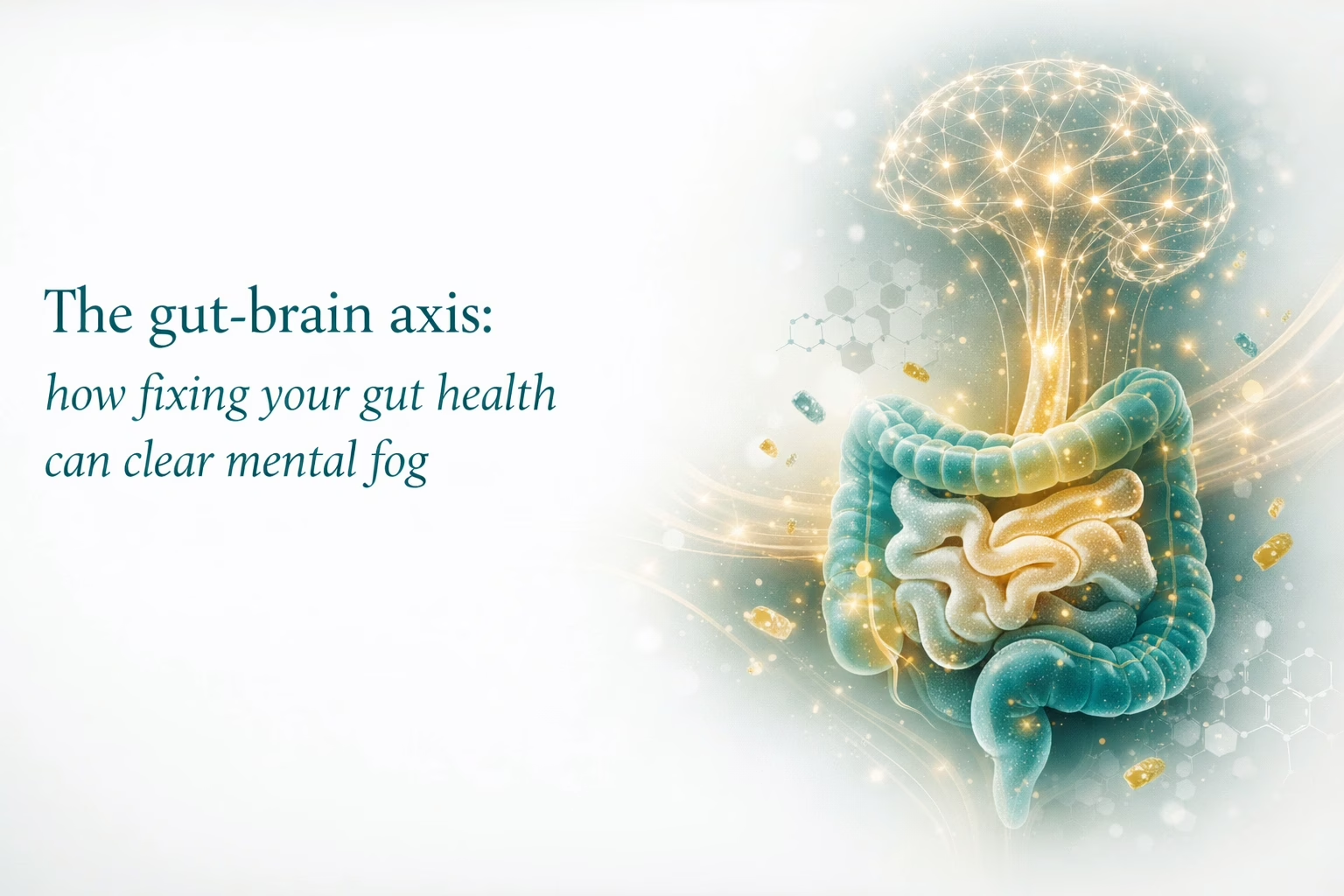
The gut-brain axis: how fixing your gut health can clear mental fog is a topic many people search when brain fog will not go away and gut health feels off. The keyword gut-brain axis describes the deep connection between your digestive system and your mind.
At Eternal Vitality in Orlando, Florida, we often see high-performing adults struggle with bloating, fatigue, and cloudy thinking at the same time. They assume stress is the only cause. Many are surprised to learn their gut may be involved.
Mental fog affects focus, memory, and mood. It can make work harder and relationships feel strained. When your thoughts feel slow, your confidence may drop.
Understanding how your gut and brain communicate may help you see why healing digestion can support clearer thinking. Let us explore how this system works and what you can do about it.
How does the gut-brain axis influence mental clarity and brain fog?
The gut-brain axis is the two-way communication network between your digestive tract and your brain. It connects through nerves, hormones, and immune signals.
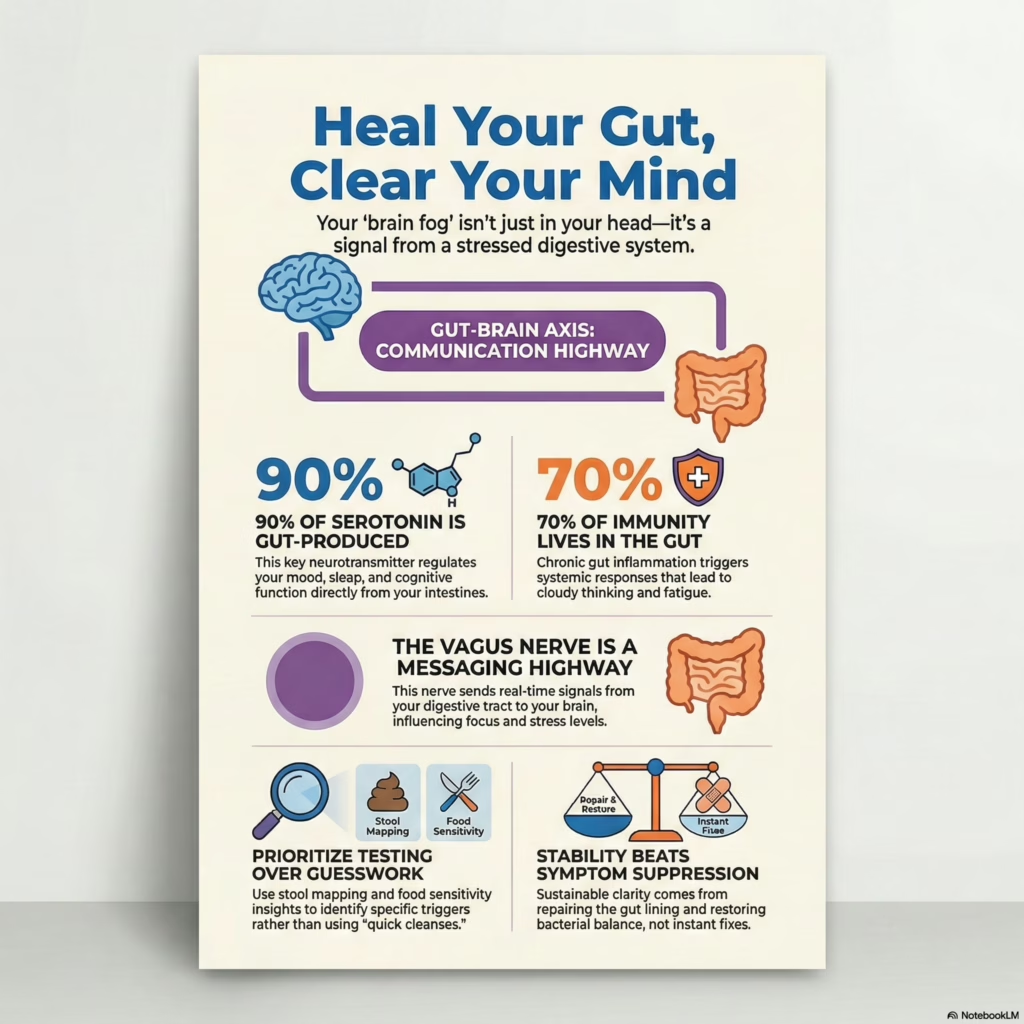
One key pathway is the vagus nerve. This nerve sends messages from the gut to the brain in real time. If the gut is inflamed or irritated, those signals can affect mood and focus.
Your gut microbiome also plays a major role. These are trillions of bacteria living in your intestines. They help break down food, produce nutrients, and regulate inflammation.
Research suggests that about 90 percent of the body’s serotonin is produced in the gut. Serotonin helps regulate mood, sleep, and cognitive function. When gut balance is off, serotonin signaling may also be affected.
Studies also estimate that roughly 70 percent of the immune system resides in the gut. Chronic gut inflammation may influence systemic inflammation, which has been linked to cognitive symptoms.
It is no surprise that people with digestive discomfort often report fatigue, mood shifts, and brain fog alongside bloating or irregular digestion.
The gut and brain are biologically intertwined
The gut and brain are biologically intertwined through constant chemical messaging. This relationship defines the gut-brain axis and its impact on mental clarity.
When the gut lining becomes irritated, inflammatory compounds can circulate in the bloodstream. These compounds may influence stress physiology and brain signaling.
Imbalances in gut bacteria, known as dysbiosis, may reduce production of short-chain fatty acids. These fatty acids help protect the gut lining and support metabolic health.
Poor digestion can also impair nutrient absorption. Deficiencies in B vitamins, magnesium, and omega-3 fats may affect cognitive performance and energy.
At Eternal Vitality, we often evaluate gut health alongside hormone balance and metabolism. Mental fog rarely exists in isolation. It is usually part of a bigger picture.
When digestion improves, many patients notice better focus, improved mood stability, and more consistent energy. Results vary, but the pattern is common.
Can repairing the gut-brain axis improve mood, focus, and stress resilience?
Many people wonder whether addressing gut issues truly changes how they feel mentally. The answer depends on the root cause of symptoms.
If chronic inflammation, food sensitivities, or microbiome imbalance are present, supporting gut repair may help calm systemic stress responses. This may indirectly support clearer thinking.
Stress itself also affects the gut-brain axis. High cortisol levels can alter gut motility and bacterial balance. This creates a loop where stress worsens digestion and poor digestion worsens stress.
Brain fog is often linked to multiple systems. Hormones, sleep quality, blood sugar balance, and gut health all interact. That is why a comprehensive approach matters.
Targeted gut repair may support cognitive performance
Targeted gut repair may support cognitive performance by reducing inflammatory load and improving nutrient absorption.
Protocols like our Vital Gut Rebuild™ focus on testing, not guesswork . Stool mapping and food sensitivity insights help identify hidden triggers.
Phase-based strategies may include removing irritants, repairing the gut lining, and restoring healthy bacteria. This process is gradual and personalized.
Many patients report noticeable shifts within four to eight weeks. These may include less bloating, steadier energy, and improved focus. Deeper recalibration can take three months or longer.
We also look at stress physiology and sleep quality. Poor sleep alone can impair cognition. Supporting circadian rhythm and cortisol balance often enhances results.
It is important to note that gut repair is not a quick cleanse. Sustainable change requires consistency, dietary alignment, and sometimes peptide or hormone support.
When the gut is more resilient, the brain often feels more stable. This reflects the power of the gut-brain axis in action.
What is the safest way to optimize the gut-brain axis for long-term clarity?
Safety and personalization are essential. Not every person with brain fog needs the same plan.
First, consider symptoms. Do you experience bloating, irregular bowel movements, or food reactions? Do you also struggle with fatigue or mood swings?
Testing can provide clarity. Comprehensive lab work may assess inflammation, nutrient levels, hormone balance, and gut microbiome patterns.
Nutrition is foundational. Anti-inflammatory whole foods, adequate protein, and fiber diversity help nourish beneficial bacteria. Hydration supports motility and detoxification.
Stress management is equally important. Practices like breath work, light exercise, and consistent sleep schedules calm the nervous system and support gut healing.
Long-term clarity requires integrated lifestyle alignment
Long-term clarity requires integrated lifestyle alignment that addresses digestion, hormones, and daily habits.
For some individuals, peptide support may enhance tissue repair and reduce inflammation. Others may benefit from gut health optimization through methods like the VITAL Gut Rebuild.
The goal is not symptom suppression. It is system stability. A stable gut environment supports immune balance, steady metabolism, and cognitive resilience.
This approach is not for those seeking instant fixes. It is for individuals willing to understand their biology and build sustainable habits.
You are not broken if you have brain fog. Often, your body is signaling that deeper support is needed.
When the gut-brain axis is nurtured with data-driven care, many people experience meaningful improvement in clarity and vitality. Outcomes vary, but the potential is significant.
Conclusion and Next Steps
The gut-brain axis plays a central role in mental clarity, and supporting gut health may help reduce mental fog for many individuals.
We explored how inflammation, microbiome balance, and nutrient absorption influence mood and cognition. We also discussed how stress physiology and sleep interact with digestion.
At Eternal Vitality, we believe transformation begins with discovery and data . In Orlando, our approach integrates gut health, hormone balance, metabolism, and lifestyle strategy.
If brain fog has become your normal, it may be time to look deeper. The connection between your gut and brain deserves attention.
Learn more about this service on our website.
Key Points: The Gut-Brain Axis and Mental Fog
- The gut-brain axis is the two-way communication system between your digestive tract and your brain.
- About 90 percent of serotonin is produced in the gut, influencing mood, sleep, and mental clarity.
- Nearly 70 percent of the immune system resides in the gut, meaning digestive inflammation may affect whole-body health, including the brain.
- Gut inflammation and microbiome imbalances may contribute to brain fog, fatigue, and mood instability.
- Chronic stress can disrupt digestion, creating a feedback loop that worsens both gut symptoms and cognitive clarity.
- Poor nutrient absorption from gut dysfunction may impact B vitamins, magnesium, and omega-3 levels, which are important for brain performance.
- Supporting gut repair often includes removing irritants, restoring beneficial bacteria, and calming inflammation.
- Sustainable improvements typically take several weeks to months, depending on the individual.
- Gut health works best when addressed alongside hormone balance, sleep quality, stress physiology, and metabolism.
- A personalized, data-driven approach is often more effective than quick fixes or generic supplement plans.
Frequently Asked Questions
What exactly is the gut-brain axis?
It is the communication network between your digestive system and your brain. It uses nerves, hormones, and immune signals to send messages both ways.
Can poor gut health really affect mood?
Yes, imbalances in gut bacteria and inflammation may influence serotonin production and stress signaling. Results vary by individual.
How long does gut repair take?
Some people notice improvements within weeks. Full recalibration may take several months depending on underlying imbalances.
Do probiotics fix brain fog?
Probiotics may help certain individuals, but they are not a universal solution. Testing and personalization are often more effective.
Is gut health connected to hormones?
Yes, gut bacteria influence estrogen metabolism and stress hormones. Balanced digestion supports overall hormone balance.
Eternal Vitality
4361 Hunters Park Ln
Orlando, FL 32837
(407) 710-1840