Hormone Metabolism
The gut and microbiome participate in how hormones are processed, metabolized, and recirculated. Digestive dysfunction may influence the larger hormonal picture.

Bloating after meals. Foods you suddenly cannot tolerate. Constipation, reflux, fatigue, brain fog, weight resistance, or inflammation that keeps returning. When your digestion feels unpredictable, it can quietly affect your confidence, routines, travel, relationships, and quality of life. We help you understand why.
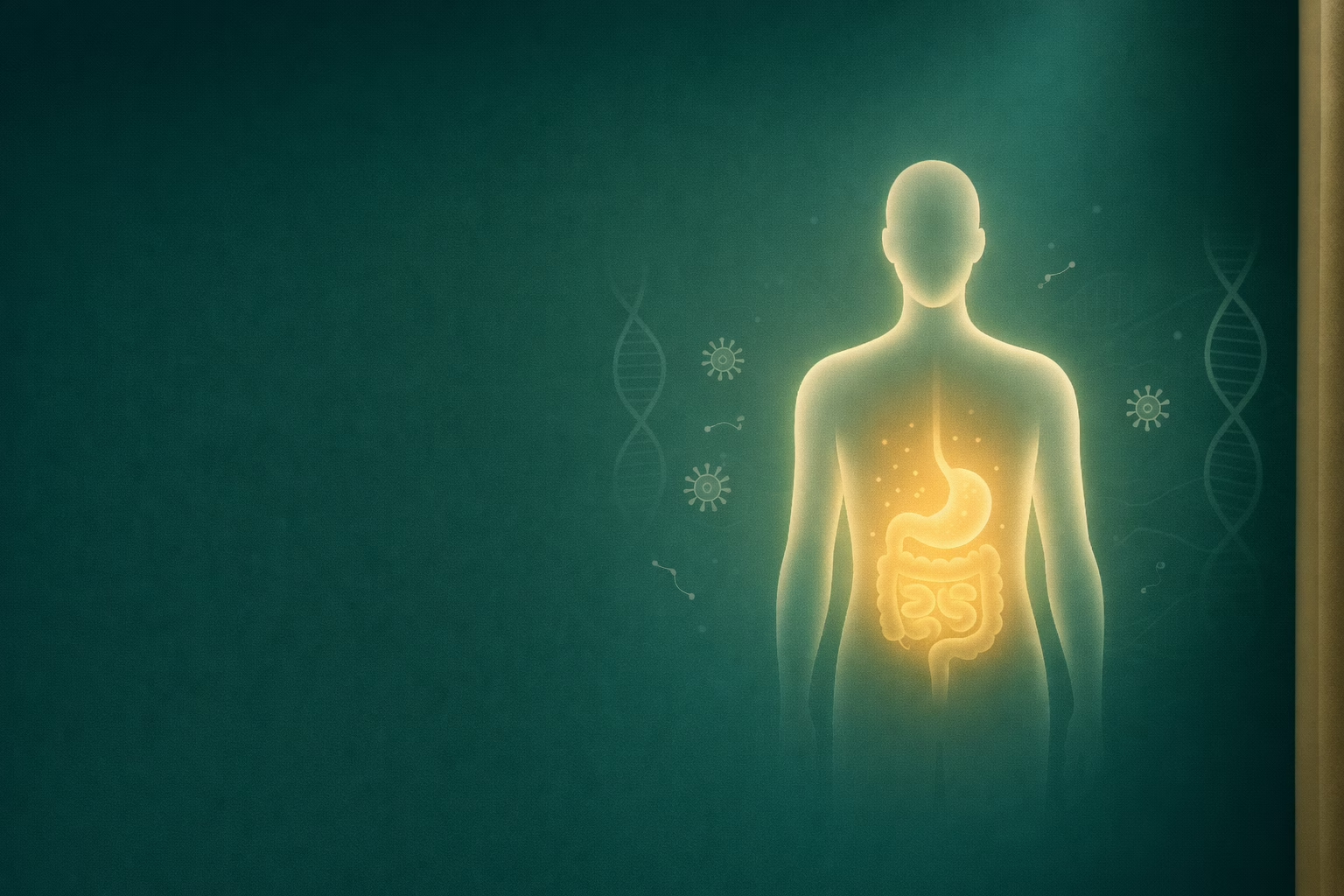
It is the mental energy spent anticipating symptoms, avoiding situations, and wondering which food or supplement will cause the next setback.
The gastrointestinal system participates in nutrient absorption, immune signaling, inflammatory pathways, hormone metabolism, glucose regulation, appetite signaling, and communication between the gut and brain. When the system is disrupted, the effects may extend far beyond digestion.
The gut and microbiome participate in how hormones are processed, metabolized, and recirculated. Digestive dysfunction may influence the larger hormonal picture.
A significant amount of immune activity interfaces with the gastrointestinal tract and intestinal barrier, making gut health an important part of immune regulation.
Microbiome imbalance, intestinal irritation, and barrier dysfunction may contribute to broader inflammatory signaling throughout the body.
The microbiome, inflammation, nutrient processing, and appetite signaling may influence glucose regulation, insulin sensitivity, and metabolic health.
Gut-related patterns can affect hunger, food tolerance, energy availability, inflammation, and the ability to maintain a sustainable nutrition strategy.
Gut-brain communication, nutrient status, blood-sugar changes, and inflammatory signaling may influence focus, mood, fatigue, and mental clarity.
The goal is not to assume every symptom originates in the gut. It is to determine whether digestive function, microbiome balance, inflammation, nutrition, or food reactions are contributing to the larger pattern.
Bloating, constipation, diarrhea, reflux, abdominal discomfort, or changing bowel patterns.
Meals that trigger discomfort, fatigue, congestion, inflammation, headaches, or a shrinking list of tolerated foods.
Afternoon crashes, brain fog, poor concentration, or feeling depleted after eating.
Inflammation, insulin resistance, weight difficulty, poor recovery, or skin concerns despite healthy effort.
Restrictive diets, probiotics, digestive medications, cleanses, and scattered supplements may provide partial relief without identifying what is maintaining the problem.
Conventional testing is essential for identifying pathology, but normal results do not always explain ongoing functional symptoms or digestive imbalance.
A standard probiotic or elimination diet cannot account for your microbiome, history, medications, hormones, metabolism, nutrition, stress, and response.
Removing triggers is only one step. Sustainable progress may also require restoring the gut environment, rebuilding tolerance, and creating a long-term strategy.

The Vital Gut Rebuild™ is Eternal Vitality’s physician-guided gut-health program. Testing, nutrition, supplementation, medication considerations, and support are personalized within a clear four-phase framework.
The pace and details vary by patient, but the program moves from discovery toward restoration, resilience, and long-term confidence.
Understand your symptoms, history, current routine, previous treatments, and unanswered questions.
Reduce disruption and create a more stable environment for improved digestive function.
Support gut integrity, microbiome balance, nutrient status, and greater dietary resilience.
Convert short-term improvement into a sustainable strategy that supports your broader goals.
More testing is not automatically better. Recommendations should answer a meaningful clinical question, clarify priorities, or help us choose between treatment paths.
Your timeline, digestive patterns, food responses, medications, supplements, sleep, stress, and prior treatments shape the evaluation.
Bloodwork may provide context about metabolism, inflammation, nutrient status, thyroid patterns, glucose regulation, and other contributors.
Selected cases may benefit from assessment of digestive function, microbial patterns, inflammation, and other findings relevant to treatment.
Food-related assessment may be considered when the history suggests meaningful reactions and is interpreted in clinical context.
Symptoms requiring imaging, endoscopy, specialist evaluation, or urgent conventional care are referred or coordinated appropriately.
Some patients need a focused Vital Gut Rebuild™. Others have interconnected goals involving hormones, immune function, insulin resistance, metabolism, nutrition, recovery, or body composition. Appropriate programs can be combined into one coordinated Blueprint rather than several disconnected plans.
“Helped me greatly with identifying food sensitivities and eliminating some stomach problems I’d been dealing with for years!”
“Dr. Powers is so kind and thoughtful. He is thorough and really listens to your concerns. He has helped me work with my body instead of against it. I am so happy with my care.”
“Rebecca and Dr. Powers are incredibly kind, attentive, and genuinely care about their patients. They take the time to listen, answer questions, and make you feel supported every step of the way.”
Start with a thoughtful conversation. We will listen to what has changed, review what you have tried, determine whether a gut-health evaluation may be appropriate, and explain what should happen next.