
Low Energy and Decreased Libido? How Peptide Therapy May Help Restore Performance and Passion is a question many high-performing individuals are beginning to ask as they notice changes in how they feel each day.
At Eternal Vitality in Orlando, Florida, we often see patients who feel driven and capable, yet something feels off. Energy is lower, motivation is inconsistent, and passion may feel distant.
These changes are often subtle at first. Over time, they can affect confidence, relationships, and overall quality of life.
In many cases, the underlying issue may involve hormone imbalance, cellular signaling, and metabolic decline rather than simply aging or stress alone.
Can peptide therapy help address low energy and decreased libido?
Low energy is rarely caused by a single factor. It is often the result of multiple systems becoming less efficient over time.
Peptides are small signaling molecules that help regulate important processes in the body. These include metabolism, recovery, hormone balance, and cellular repair.
When these signals weaken, the body may not function as efficiently. This can contribute to fatigue, reduced performance, and symptoms of hormone imbalance.
Peptide therapy is often explored as a way to support these natural signaling pathways and help restore balance.
Cellular signaling influences energy restoration pathways
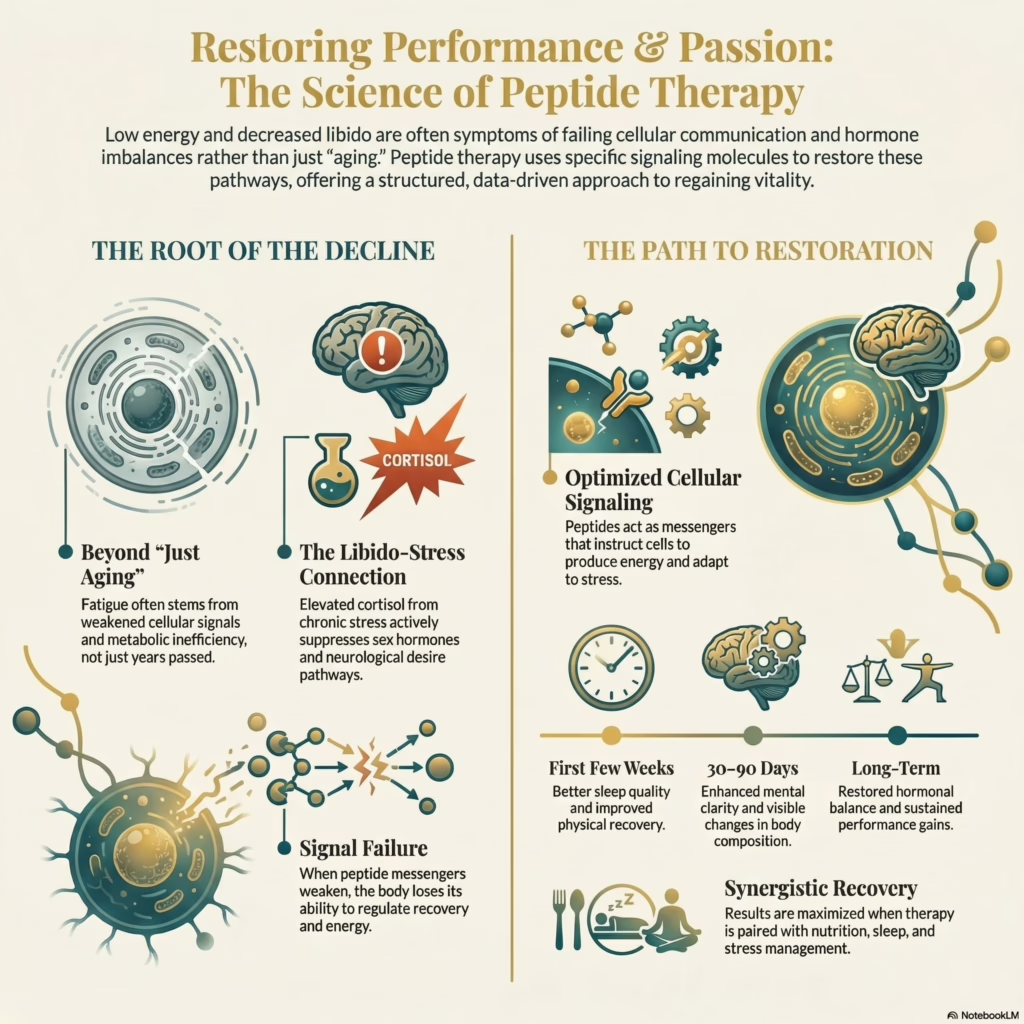
Peptides act as messengers that tell the body how to respond and adapt. They may influence how cells produce energy and recover from stress.
When peptide signaling is optimized, many patients notice improved energy, mental clarity, and physical performance. These changes are often gradual and build over time.
Hormone imbalance may also improve as communication between systems becomes more efficient. This can support better sleep, mood stability, and resilience.
Peptide therapy benefits are often most noticeable when combined with other strategies such as nutrition, stress management, and hormone optimization.
How does decreased libido relate to hormone imbalance and peptide therapy?
Decreased libido is a common concern, yet it is often misunderstood. It is not only about desire. It is closely tied to energy, hormones, and emotional well-being.
Hormones such as testosterone, estrogen, and dopamine all play a role in libido. When these are out of balance, interest and responsiveness may decline.
Chronic stress can further disrupt this balance. Elevated cortisol levels may suppress sex hormones and reduce overall drive.
This is why decreased libido is often a sign of a broader hormone imbalance rather than an isolated issue.
Hormonal and neurological factors shape desire
Peptides may support libido by influencing both hormonal and neurological pathways. Some peptides are used to support blood flow, nerve signaling, and hormonal balance.
When these systems begin to improve, many patients report a gradual return of interest and connection. This is often described as feeling more like themselves again.
It is important to set realistic expectations. Results vary based on individual physiology, underlying health, and consistency with treatment.
Supporting libido also involves lifestyle factors. Sleep quality, stress reduction, and relationship health all contribute to outcomes.
What should you expect when using peptides for performance and vitality?
Peptide therapy is not a quick fix. It is a structured and personalized approach designed to support long-term improvement.
Most protocols begin with a comprehensive evaluation. This may include lab testing, body composition analysis, and a review of symptoms.
From there, a customized plan is developed. This may integrate peptide therapy with hormone optimization, nutrition, and recovery strategies.
This approach reflects a broader focus on metabolism, cellular health, and overall vitality.
Structured protocols support sustainable performance gains
Many patients begin to notice subtle improvements within the first few weeks. This may include better sleep, improved recovery, and more stable energy.
Over time, changes in body composition, mental clarity, and performance may become more noticeable. These shifts often occur over 30 to 90 days.
Peptide protocols for energy is often most effective when combined with supportive habits. This includes consistent sleep, balanced nutrition, and stress management.
Not everyone is an ideal candidate. Individuals with certain medical conditions or unrealistic expectations may require alternative approaches.
At Eternal Vitality, care is personalized to ensure safety and alignment with each patient’s goals.
Conclusion & Next Step
Hormone imbalance can influence energy, libido, and overall performance in ways that are often overlooked. It is not simply about aging. It is about how well your body communicates and functions.
The Vital Peptide Method is one approach that may help support these systems. When used thoughtfully, it may improve energy, enhance recovery, and support a return to balance.
For many individuals in Orlando, this represents a shift from managing symptoms to understanding root causes.
The key is personalization. A data-driven plan that considers hormones, metabolism, stress physiology, and lifestyle can make a meaningful difference.
If you are ready to explore whether peptide therapy may be right for you, take the next step.
Book a Vitality Discovery Session: https://myeternalvitality.com
Frequently Asked Questions
What is peptide therapy?
Peptide therapy uses small protein fragments to signal specific functions in the body, such as recovery, metabolism, and hormone balance.
Is peptide therapy safe?
When guided by trained professionals and based on proper evaluation, it is often used safely with ongoing monitoring.
How quickly do peptides work?
Some people notice changes within weeks, while others take longer. Results depend on individual biology and consistency.
Can peptide therapy improve libido?
It may help by supporting hormonal balance, circulation, and neurological signaling, though results vary.
Who is a good candidate for peptide therapy?
Individuals experiencing low energy, reduced performance, or signs of hormone imbalance may benefit from evaluation.
Key Point Summary
- Low energy and decreased libido may be linked to hormone imbalance
- Peptides act as signaling molecules that support cellular and metabolic function
- Peptide therapy benefits may include improved energy, recovery, and performance
- Libido is influenced by hormones, stress, and neurological health
- Results from peptide therapy vary and develop over time
- A personalized, comprehensive approach leads to better outcomes
- Lifestyle factors such as sleep, nutrition, and stress remain essential
Eternal Vitality
4361 Hunters Park Ln
Orlando, FL 32837
(407) 710-1840