
Peptides for Sleep: How They Improve Deep Sleep, Recovery, and Overnight Repair is a growing topic as more people search for natural ways to improve rest and recovery. At Eternal Vitality in Orlando, Florida, many patients share concerns about poor sleep, low energy, and slow recovery. These issues often connect to deeper imbalances in hormones, metabolism, and stress physiology.
Sleep is not just about feeling rested. It is when your body repairs tissues, balances hormones, and restores brain function. When sleep quality declines, everything from mood to metabolism may suffer.
Modern life makes deep sleep harder to achieve. High stress, screen exposure, and irregular routines can disrupt natural rhythms. Many people wake up tired even after a full night in bed.
This is where peptide support is often explored. Peptides are small signaling molecules that may help guide the body back toward more restorative sleep cycles.
How do peptides for sleep support deeper, more restorative sleep cycles?
Sleep is controlled by a complex system involving the brain, hormones, and nervous system. Deep sleep, also called slow-wave sleep, is the stage where the most physical repair occurs.
During this phase, growth hormone is released. This hormone plays a key role in muscle repair, fat metabolism, and cellular regeneration. Studies suggest that growth hormone release peaks during deep sleep and declines with age.
Many patients begin researching peptides for sleep because they want to support this natural process. They may notice lighter sleep, frequent waking, or reduced recovery after workouts.
Stress also plays a major role. Elevated cortisol can interfere with the body’s ability to enter and stay in deep sleep. This creates a cycle where poor sleep increases stress, and stress further disrupts sleep.
Table of Contents
Specific peptide signaling pathways influence sleep quality
Peptides act as messengers in the body. Some are used in clinical settings to support the pathways involved in sleep regulation and recovery.
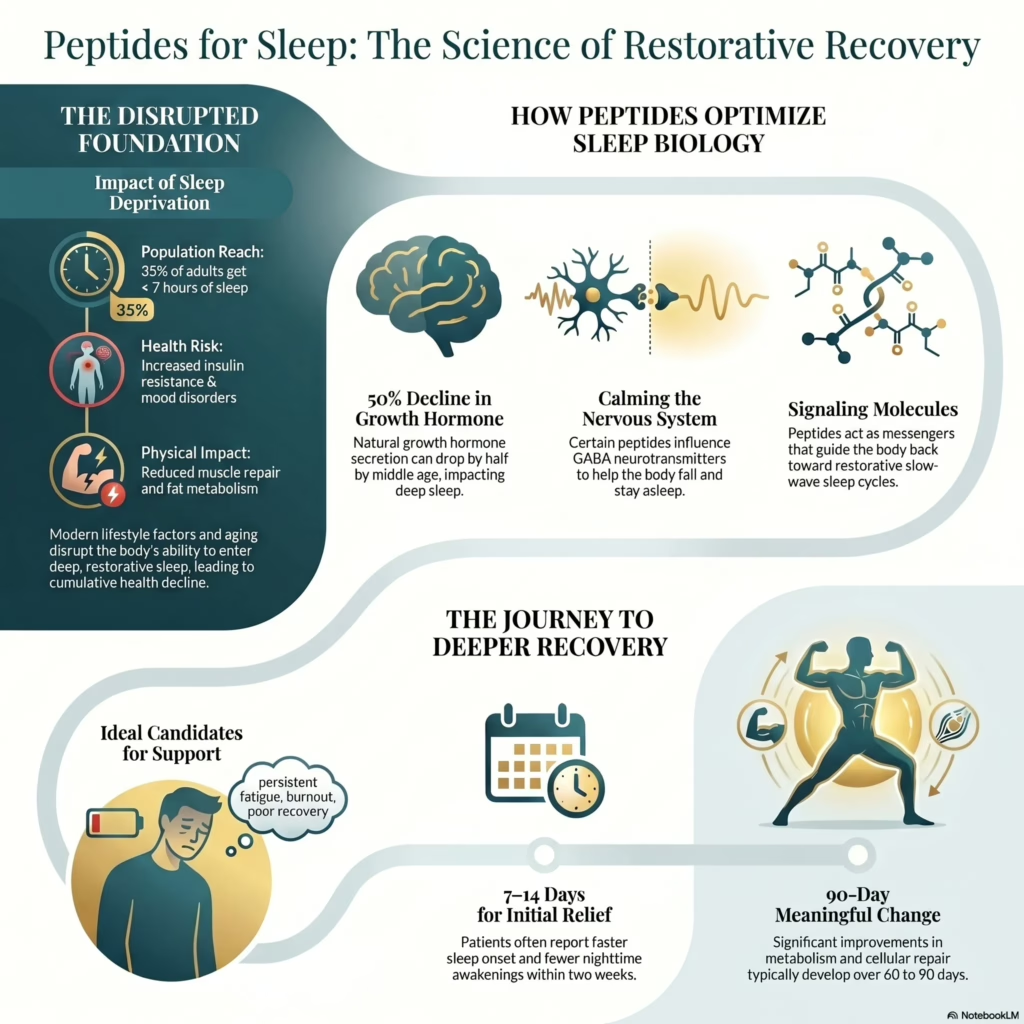
Certain peptides may help stimulate growth hormone release in a more natural rhythm. Research shows that growth hormone secretion can decline by up to 50 percent by middle age, which may impact sleep depth and recovery.
Other peptides may influence neurotransmitters like GABA, which helps calm the nervous system. A more relaxed nervous system can make it easier to fall asleep and stay asleep.
At Eternal Vitality, peptide protocols are often part of a broader strategy. The Vital Peptide Method™ emphasizes precision, using diagnostics to match the right support to each individual.
Patients often report improvements in sleep quality within 7 to 14 days, though results vary. These changes may include falling asleep faster and experiencing fewer nighttime awakenings.
Who is a good candidate for peptides for sleep and recovery support?
Not everyone with poor sleep needs peptide therapy. It is important to understand the underlying cause of sleep disruption.
Some people struggle with lifestyle-related sleep issues. This may include irregular schedules, late-night screen use, or high caffeine intake. In these cases, foundational changes are often the first step.
Others may have deeper biological imbalances. Hormone decline, chronic stress, and metabolic dysfunction can all affect sleep quality. These individuals may benefit from more targeted support.
Research suggests that nearly 35 percent of adults report getting less than seven hours of sleep per night. Chronic sleep deprivation is also linked to increased risk of weight gain, insulin resistance, and mood disorders.
Clinical evaluation determines personalized peptide suitability
A proper evaluation is essential before starting any peptide protocol. This often includes hormone testing, metabolic markers, and a detailed health history.
At Eternal Vitality, this process is part of a structured journey. Patients move through discovery, diagnostics, and personalized design to create a tailored plan.
Peptides for sleep are often considered when patients experience:
- Persistent fatigue despite adequate time in bed
- Poor recovery from exercise
- Signs of hormone imbalance
- High stress or burnout
It is also important to set realistic expectations. Peptides are not a quick fix. Many patients notice gradual improvements over several weeks, with more meaningful changes over 60 to 90 days.
They are often combined with other therapies. This may include hormone optimization, gut health support, and lifestyle adjustments. These layers work together to improve overall vitality.
Are peptides for sleep safe, and how can you maximize results?
Safety is one of the most common concerns when exploring peptide therapy. When used under medical supervision, peptides are generally well-tolerated.
However, quality and sourcing matter. Pharmaceutical-grade peptides and proper dosing protocols are essential for safety and effectiveness.
Sleep improvement also depends on more than peptides alone. The body needs the right environment and inputs to respond well.
Poor sleep hygiene can limit results. This includes inconsistent sleep times, excessive light exposure at night, and unmanaged stress.
Consistent lifestyle habits enhance peptide effectiveness
Peptides work best when paired with supportive habits. Think of them as signals that guide the body, not replacements for healthy behavior.
To improve outcomes, many patients focus on:
- Maintaining a consistent sleep schedule
- Reducing blue light exposure before bed
- Supporting gut health and digestion
- Managing stress through breathing or mindfulness
Nutrition also plays a role. Blood sugar swings during the night can disrupt sleep cycles. Balanced meals and proper timing may help stabilize energy overnight.
At Eternal Vitality in Orlando, care plans often integrate multiple pillars. This may include hormone optimization, peptide support, and gut restoration through programs like Vital Gut Rebuild.
Peptides for sleep may not be ideal for everyone. Individuals with unmanaged medical conditions or unrealistic expectations may need a different approach first.
The goal is not just better sleep. It is deeper recovery, improved metabolism, and long-term resilience.
Conclusion
Peptides for sleep are increasingly explored as a way to support deeper rest, recovery, and overnight repair. They may help guide natural hormone rhythms, calm the nervous system, and improve sleep quality over time.
Sleep is a foundational pillar of health. Without it, metabolism, hormone balance, and cognitive function may all decline. Addressing sleep at a deeper level can create meaningful changes across the body.
Frequently Asked Questions
What are peptides for sleep?
Peptides are small proteins that act as signals in the body. Some are used to support sleep-related pathways like hormone release and nervous system balance.
How quickly do peptides improve sleep?
Many patients notice changes within 1 to 2 weeks. More significant improvements often develop over 1 to 3 months.
Do peptides replace good sleep habits?
No. They work best alongside consistent routines, stress management, and proper nutrition.
Can peptides help with insomnia?
They may support underlying factors like stress or hormone imbalance. However, results vary and depend on the root cause.
Are peptides safe long term?
When prescribed and monitored by a qualified provider, they are generally well-tolerated. Ongoing evaluation is important.
Eternal Vitality
4361 Hunters Park Ln
Orlando, FL 32837
(407) 710-1840