


Many men do not connect alcohol with hormone health or changes in body composition. We will discuss 5 startling effects of alcohol on testosterone. At Eternal Vitality in Orlando, Florida, we consider drinking patterns alongside nutrition, sleep, metabolism, and hormone results.
The relationship is more complex than “alcohol lowers testosterone.” But alcohol adds calories and may affect habits that support body-composition goals. Chronic heavier use may also affect male hormone levels.
For many men, the most noticeable connection may be extra calories and slower progress toward their goals. Hormone effects depend on the amount and pattern of drinking. Research does not support treating every drink as a cause of low testosterone.
TL;DR: 5 effects of alcohol on testosterone and body composition
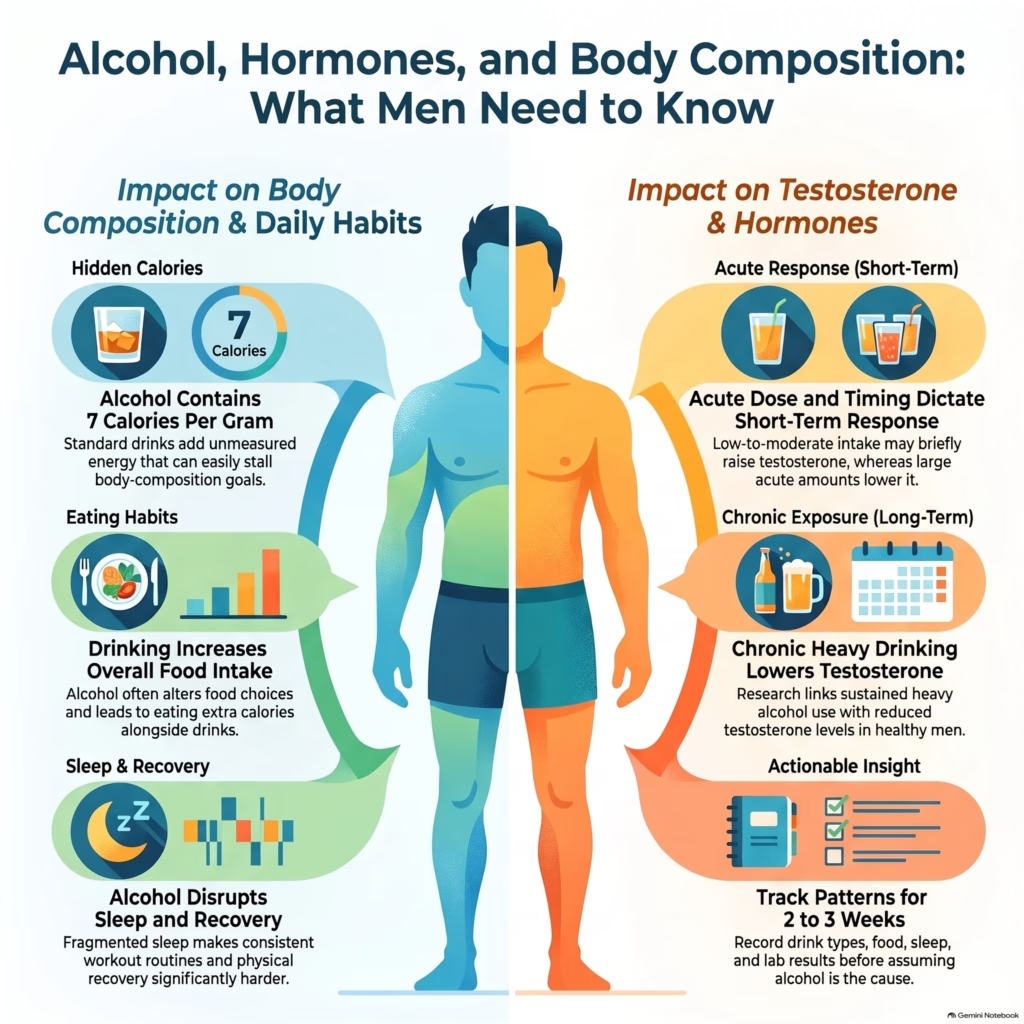
- Alcohol adds calories. It provides about seven calories per gram, before mixers or other ingredients.
- Drinking may add food calories. Some people eat more or make different food choices when drinking.
- Testosterone effects vary. Dose, timing, and longer-term patterns matter.
- Body composition reflects the whole pattern. Drinks, food, sleep, and activity can shape progress over time.
- Alcohol can disrupt sleep. Fragmented sleep may make recovery and consistent routines harder.
How can alcohol calories affect men’s body composition?
Alcohol provides about seven calories per gram. One standard U.S. drink contains about 14 grams of pure alcohol. That is roughly 12 ounces of regular beer, 5 ounces of wine, or 1.5 ounces of distilled spirits. Larger pours and mixed drinks may contain more.
These calories are easy to overlook because people may not record drinks as part of their food intake. A man might plan meals carefully but forget drinks at dinner, a weekend gathering, or a game. If drinks repeatedly add energy to his usual intake, they may make body-composition goals harder to reach.
Alcohol does not automatically cause weight gain. Outcomes depend on total intake, activity, individual health, and habits over time. Still, counting drinks alongside meals can reveal calories that might otherwise go unnoticed.
Alcohol calories can accumulate without feeling like a meal
Alcohol contributes to a person’s overall energy intake. A drink may add calories without creating the same sense of fullness as a meal built around protein, carbohydrates, vegetables, and fat.
Consider a man who is careful with meals during the week but has several drinks at a social event. The drinks, mixers, and accompanying food may add up, even if he did not plan a larger meal. This example does not predict weight gain. It shows why looking at the full weekly pattern can be useful.
When body composition is the goal, tracking drinks can make the nutrition picture more complete. It can clarify whether alcohol is a meaningful contributor or only a small part of the overall pattern.
Table of Contents
Can alcohol change eating habits and total calorie intake?
Alcohol may affect what and how much some people eat. A systematic review and meta-analysis of experimental studies found that alcohol increased food energy intake in the settings studied. Longer-term effects on body weight are more complex and vary across research.
For example, a person may have drinks with dinner, share appetizers, and eat more later than intended. Each choice can seem small. If the same pattern repeats most weekends, it becomes part of the person’s usual routine.
This can help explain why progress sometimes feels confusing. Someone may follow planned meals and workouts but overlook a recurring social pattern. Briefly recording drinks and accompanying food can help determine whether that pattern deserves attention.
Drinking can shape the food choices around it
In my view, many men track meals, protein, or workouts but do not think of alcohol as part of their nutrition pattern. That makes its calories and accompanying food easy to miss.
The useful question is whether the amount, frequency, and food around drinking fit the health goals a person has chosen. A short, honest record may be more informative than guessing from memory.
If drinking often leads to extra eating or missed workouts, that observation can guide a practical conversation with a clinician or nutrition professional. If no pattern appears, other contributors can be considered.
How does alcohol affect testosterone and other male hormones?
The evidence does not support the simple claim that every drink lowers testosterone. A 2023 review reported that low-to-moderate acute alcohol intake may temporarily raise testosterone, while a large acute amount may lower it. A separate meta-analysis found lower testosterone associated with chronic alcohol consumption in healthy men. The pattern was not the same after acute intake or among men with a recognized alcohol use disorder.
These studies describe groups, not individual outcomes. Researchers use different definitions of drinking and measure hormones at different times. Health, sleep, medications, and other factors may also influence results.
The practical point is that amount and pattern matter. Occasional drinking and chronic heavier intake are not equivalent exposures. Men with persistent symptoms or concerns about testosterone should discuss their lab results and drinking pattern with a clinician.
Hormone findings need context, not assumptions
A hormone test is one piece of information. It cannot show by itself whether alcohol caused a symptom or whether treatment is needed. Interpretation depends on symptoms, test timing, health history, and other relevant findings.
Research on chronic alcohol exposure suggests possible changes in testosterone and other parts of the hormone system. Those findings cannot establish what is happening in one individual. A careful evaluation avoids blaming every concern on alcohol or dismissing alcohol when the pattern may matter.
This reflects Eternal Vitality’s broader approach to men’s hormone health and testosterone replacement. We consider lab results alongside metabolism, sleep, nutrition, recovery, and body composition.
What can men track to assess alcohol’s role in their health goals?
Start with a short, practical record for two or three weeks. Note the type and amount of each drink, including mixers and pours at home. Also note food eaten while drinking, sleep quality, and next-day activity.
Use standard drink sizes as a guide. One standard U.S. drink contains about 14 grams of pure alcohol. Actual serving sizes vary, and a cocktail or generous pour may contain more than one standard drink.
If body composition is the goal, compare the record with your nutrition and activity plan. If testosterone or other symptoms concern you, bring the record and recent lab results to a clinician. The goal is to understand the pattern, not to assume alcohol explains every change.
A Clinical Perspective
A common blind spot is that men carefully track meals and workouts but leave alcohol out of the conversation. My view is that alcohol belongs in the same practical review as nutrition, sleep, recovery, and body-composition goals.
If a man is concerned about testosterone, I would not assume alcohol is the cause based on one symptom or lab result. I would ask how much and how often he drinks, what tends to accompany drinking, and whether sleep or routines change afterward. Then we can consider alcohol alongside other factors.
A practical first step is to record drinks as carefully as meals. Include the type and amount, mixers, accompanying food, sleep quality, and next-day activity. If symptoms persist, bring the record and recent lab results to a clinician.
If you drink heavily or may be physically dependent on alcohol, do not stop suddenly without medical guidance. Withdrawal can be dangerous, and professional support may be needed.
Conclusion & Next Step
Alcohol’s effects on men’s health depend on amount, timing, and pattern. For body-composition goals, calories and related eating habits may be easier to observe than a direct hormone effect. Chronic heavier use may affect testosterone, but one drink or one lab result cannot explain an individual’s health.
Tracking drinks alongside meals, sleep, and activity can help show whether a pattern is relevant to your goals. If symptoms or hormone results concern you, review them with a clinician who can consider the broader context.
For men in Orlando, Eternal Vitality considers hormone results alongside metabolism, nutrition, sleep, and body composition. Book a Vitality Discovery Session.
Frequently Asked Questions
How many calories are in a standard alcoholic drink?
Alcohol itself provides about seven calories per gram. Total calories vary with drink size, alcohol content, and mixers. A large pour or cocktail may contain more than one standard drink.
Does one drink lower testosterone?
Not necessarily. Research findings vary with dose and timing. One drink cannot diagnose or predict a testosterone problem.
Can alcohol make it harder to lose body fat?
It can add calories, and some people eat more while drinking. Whether this affects body-fat goals depends on overall habits and energy balance.
Should I avoid alcohol before testosterone testing?
Ask the clinician who ordered the test. They can advise you about preparation and interpret the result alongside your symptoms and health history.
What if I may be dependent on alcohol?
Talk with a healthcare professional before stopping suddenly. Alcohol withdrawal can be dangerous, and medical support may be appropriate.
Eternal Vitality
4361 Hunters Park Ln
Orlando, FL 32837
(407) 710-1840