


How estrogen and progesterone impact deep sleep for women is closely tied to estrogen and progesterone sleep patterns that influence how deeply and consistently women rest. At Eternal Vitality in Orlando, Florida, we often see how subtle hormone shifts can disrupt sleep long before other symptoms appear.
Many women feel exhausted despite getting enough hours in bed. Others wake frequently or notice their sleep feels lighter than it used to. These changes can affect mood, metabolism, and daily performance.
Sleep is not just about duration. It is about depth and quality. Hormones play a central role in regulating both.
Understanding how estrogen and progesterone influence sleep may help you uncover why your sleep has changed and what steps may support improvement.
How estrogen and progesterone impact deep sleep for women
Deep sleep is when the body repairs tissues, restores energy, and supports brain function. This stage is critical for recovery, memory, and metabolism.
Estrogen and progesterone both interact with the brain’s sleep centers. They influence neurotransmitters that regulate calmness and sleep depth.
When these hormones are balanced, sleep cycles tend to be more stable. When they fluctuate, sleep can become fragmented.
This is why estrogen and progesterone sleep patterns are often linked to how refreshed a woman feels in the morning.
Estrogen and progesterone regulate restorative sleep phases
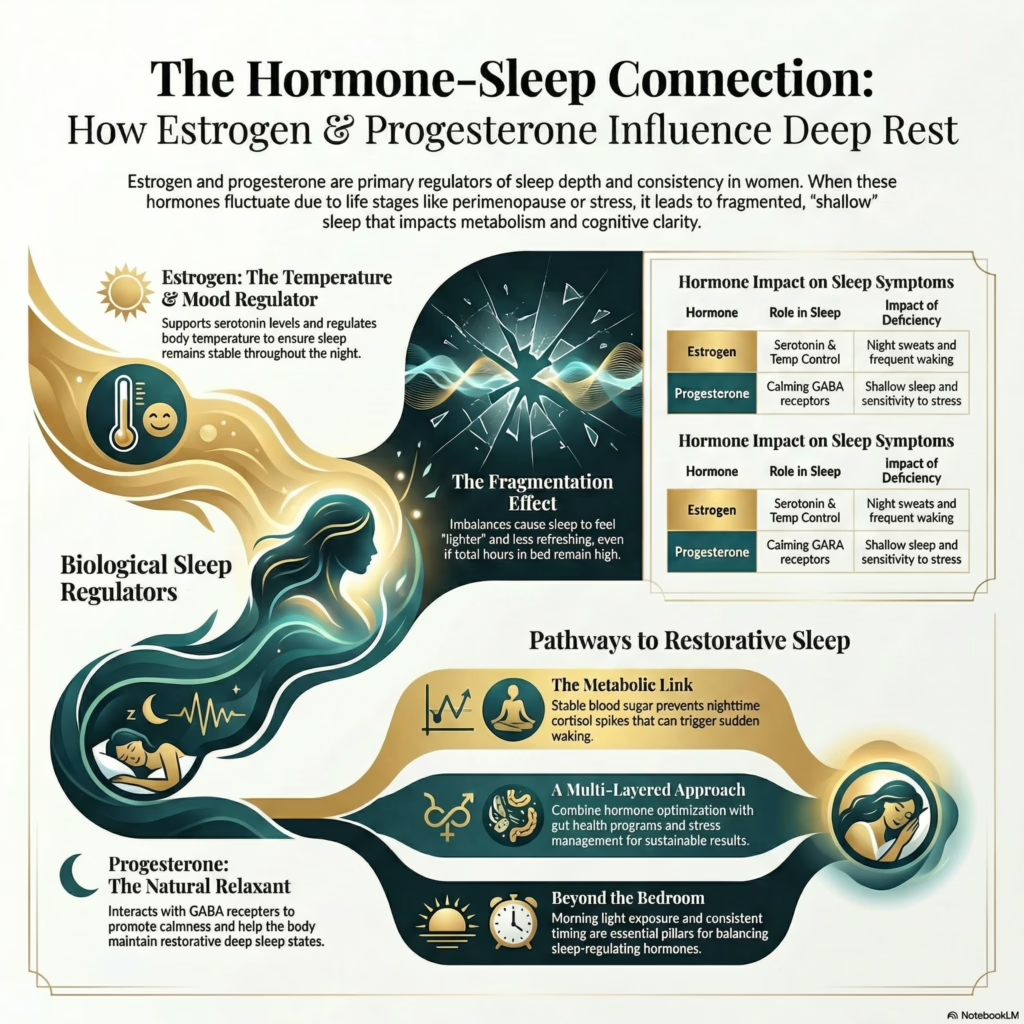
Estrogen helps support serotonin levels, which play a role in mood and sleep regulation. It also influences body temperature, which is important for staying asleep.
Progesterone has a calming effect on the brain. It interacts with GABA receptors, which help promote relaxation and deeper sleep states.
When progesterone levels drop, many women notice lighter sleep or increased nighttime waking. This reduces time spent in deep sleep.
Estrogen and progesterone sleep balance becomes especially important during perimenopause, postpartum phases, or times of stress.
Over time, disrupted deep sleep may affect metabolism, immune health, and cognitive clarity. Many patients report brain fog or low energy when sleep quality declines.
Why do hormone imbalances disrupt estrogen and progesterone sleep patterns?
Hormone imbalance is one of the most overlooked reasons for poor sleep. Many women try supplements or sleep routines without addressing the root cause.
Fluctuating estrogen levels may lead to night sweats or temperature instability. This can cause frequent waking during the night.
Low progesterone may reduce the brain’s ability to stay in a calm, restful state. This can make sleep feel shallow or interrupted.
Estrogen and progesterone sleep disruption often develops gradually, making it harder to recognize early.
Hormonal shifts alter sleep stability and duration
When estrogen rises and falls unpredictably, the body may struggle to maintain a steady sleep rhythm. This affects both sleep onset and maintenance.
Progesterone deficiency can increase sensitivity to stress. This may elevate cortisol levels, further disrupting sleep cycles.
Estrogen and progesterone sleep patterns are also influenced by gut health and metabolism. The gut produces neurotransmitters that impact sleep quality.
At Eternal Vitality, we often evaluate these layers together. Programs like the VITAL Reclamation Method are designed to restore hormone balance through personalized care .
Most patients notice gradual improvements over several weeks to months. Results vary depending on lifestyle, stress, and overall health.
What can improve estrogen and progesterone sleep quality naturally and clinically?
Improving sleep requires a multi-layered approach. Hormones, lifestyle, and nervous system balance all play a role.
Simple habits can support deeper sleep. These include consistent sleep timing, morning light exposure, and balanced nutrition.
Blood sugar stability is especially important. Drops during the night can trigger cortisol and disrupt sleep.
Estrogen and progesterone sleep optimization often works best when combined with supportive lifestyle strategies.
Integrated strategies support long-term sleep improvement
Nutrition that supports metabolism can help regulate hormone balance. This includes adequate protein, healthy fats, and micronutrients.
Gut health programs may also improve sleep. A balanced microbiome supports neurotransmitter production and reduces inflammation.
Stress management is essential. Practices like breathwork or mindfulness may help regulate cortisol and improve sleep depth.
Estrogen and progesterone sleep patterns may also benefit from advanced therapies. These can include hormone optimization or peptide support when appropriate.
Not every approach is right for every person. A personalized plan ensures safety and alignment with your goals.
If you are in Orlando, many patients find that combining clinical guidance with lifestyle changes leads to more sustainable results.
Key Points to Remember About Estrogen and Progesterone Sleep
- Estrogen supports serotonin and temperature regulation, both essential for stable sleep
- Progesterone promotes calmness and helps maintain deep sleep stages
- Hormone imbalance may lead to fragmented or lighter sleep
- Stress, gut health, and metabolism all influence sleep quality
- Personalized care often leads to more effective and lasting improvements
Conclusion & Next Steps
Estrogen and progesterone sleep patterns play a central role in how deeply and consistently women rest. When these hormones are balanced, sleep is often more restorative and stable.
When imbalance occurs, sleep may become fragmented, lighter, or less refreshing. This can impact energy, mood, and overall well-being.
The good news is that many women notice meaningful improvements when hormone balance and lifestyle factors are addressed together.
If you are in the Orlando area and want a personalized approach to better sleep, Book a Vitality Discovery Session to explore your options.
Frequently Asked Questions
Can estrogen dominance affect sleep quality?
Yes, it may contribute to restlessness or nighttime waking, especially when progesterone is low.
Why is sleep worse during perimenopause?
Hormone fluctuations during this phase often disrupt temperature regulation and calming brain signals.
Does gut health really impact sleep?
Yes, the gut produces neurotransmitters that influence sleep and mood.
Can improving metabolism help sleep?
Stable metabolism supports blood sugar balance, which may reduce nighttime waking.
Is hormone therapy the only solution?
No, many approaches exist. Lifestyle, nutrition, and stress support are also important.
Eternal Vitality
4361 Hunters Park Ln
Orlando, FL 32837
(407) 710-1840