
How Gut Health Impacts Hormones and Weight Gain
How gut health impacts hormones and weight gain is a question many people ask when weight changes feel confusing or resistant to effort. Gut health and weight gain are closely linked, especially for adults dealing with fatigue, bloating, or stubborn belly fat. At Eternal Vitality in Orlando, Florida, we often meet patients who eat well, exercise, and still struggle. Understanding the gut can bring clarity.
Many people focus only on calories or workouts. The body is more complex. Hormones, digestion, and metabolism work together every day. When the gut is stressed or inflamed, the whole system can shift.
This matters for anyone with unexplained weight gain, difficulty losing weight, or weight gain despite diet and exercise. It also matters for people with fatigue, bloating, or food sensitivities. The gut is not just about digestion. It is a signaling center.
This article explains how gut health and hormones connect, why weight can change, and what gentle steps may support balance. Education matters. Results always vary.
How does gut health and weight gain connect at a hormonal level?
Gut health and weight gain are linked through hormone signaling, inflammation, and metabolism. The gut communicates with the brain, liver, thyroid, and adrenal system every day. When digestion works well, these signals stay clear.
The gut microbiome and weight gain are closely related. Trillions of bacteria help process food, regulate appetite hormones, and manage blood sugar. When that balance shifts, hormone signals may change.
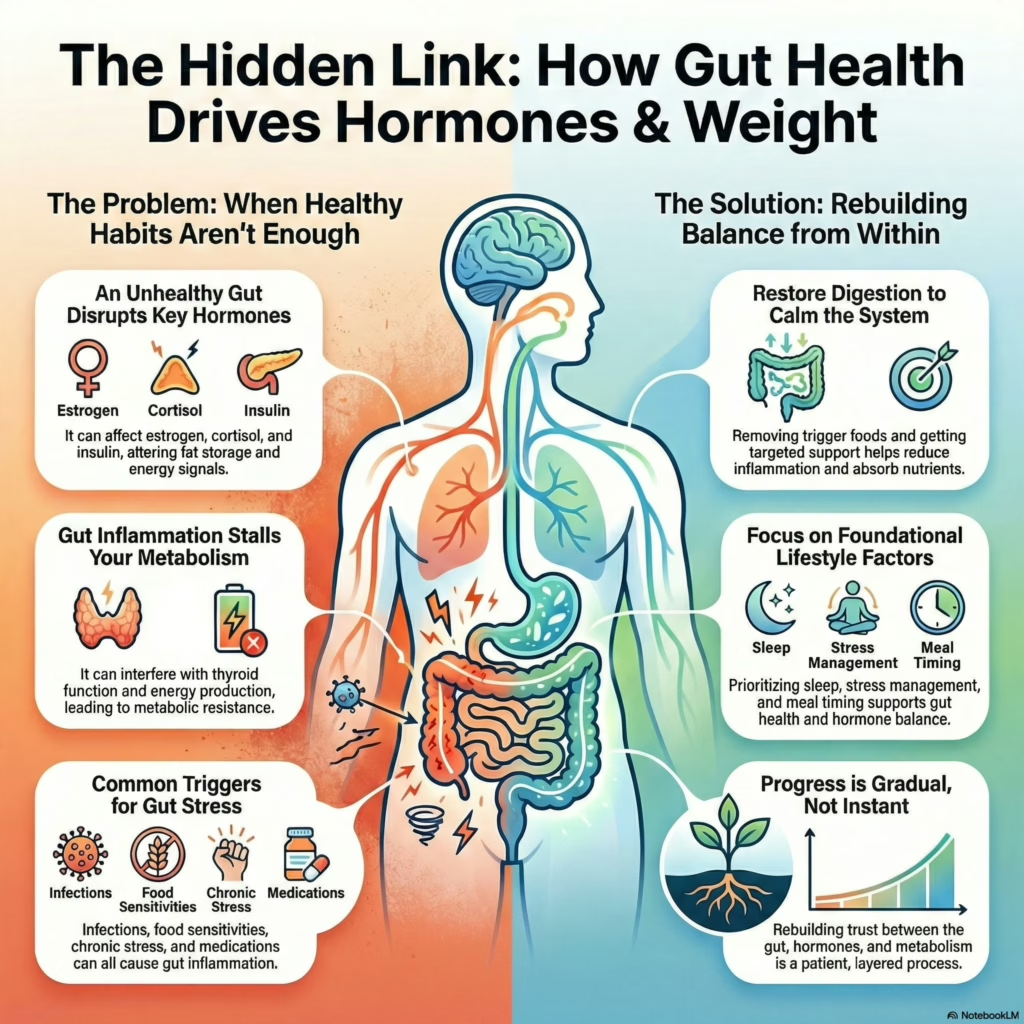
Hormonal imbalance and gut health often influence each other. Stress, poor digestion, and inflammation can disrupt estrogen, cortisol, insulin, and thyroid hormones. Over time, this may affect fat storage and energy use.
This is why gut health is often discussed in people with metabolic resistance, stubborn belly fat, or fatigue and weight gain. The body may be protecting itself, not failing.
Hormone signaling depends on a healthy gut environment
The gut helps activate, recycle, and clear hormones. Estrogen metabolism is one example. Certain gut bacteria help process estrogen so levels stay balanced. When those bacteria decline, estrogen may circulate longer than needed.
Insulin is another key hormone. Gut health and insulin resistance are connected through inflammation and blood sugar control. An inflamed gut may worsen insulin signaling, making it easier to store fat.
Cortisol, the stress hormone, also affects digestion. Chronic stress can slow gut movement and change bacteria. This may increase cravings, belly fat, and water retention.
These patterns do not happen overnight. They build slowly, often alongside poor sleep, stress physiology changes, or long-term digestive symptoms.
Can gut inflammation explain stubborn weight gain despite healthy habits?
Many people experience weight gain despite diet and exercise. This can feel frustrating and confusing. Gut inflammation and weight gain are often part of this story.
Inflammation changes how the body responds to food. It may slow metabolism, increase water retention, and alter hunger hormones. The scale may move even when habits stay steady.
Gut inflammation may come from infections, food sensitivities, medications, or chronic stress. Conditions like IBS and hormonal imbalance or SIBO and weight gain are common examples we see clinically.
When inflammation persists, the body may prioritize safety over fat loss. This is a protective response, not a lack of willpower.
Inflammation alters metabolism and fat storage signals
How gut health affects metabolism is often misunderstood. Inflammation can interfere with thyroid hormone conversion and mitochondrial energy production. This may lead to metabolic resistance.
Leaky gut syndrome is another factor. When the gut lining becomes more permeable, inflammatory particles may enter circulation. This can increase fatigue, bloating and weight gain, and joint discomfort.
Poor digestion also affects nutrient absorption. Low protein, iron, or B vitamins may reduce energy and muscle support. This can further slow metabolic rate.
Many patients notice symptoms beyond weight. Brain fog, skin changes, or food reactions may appear. These signs often point back to digestive health and hormones working out of sync.
What steps support gut health, hormones, and sustainable weight balance?
Supporting gut health and hormones usually requires a layered approach. There is rarely one single fix. Small, steady steps often matter most.
Testing can provide insight. Stool analysis, food sensitivity testing, or metabolic labs may help identify drivers of gut inflammation. Education helps patients make informed choices.
Lifestyle factors matter deeply. Sleep, stress management, and meal timing all influence digestion. At Eternal Vitality, gut health is often supported alongside hormones, peptides, metabolism, and stress care.
Weight balance improves best when the body feels safe, nourished, and supported.
Restoring digestion helps the body respond more predictably
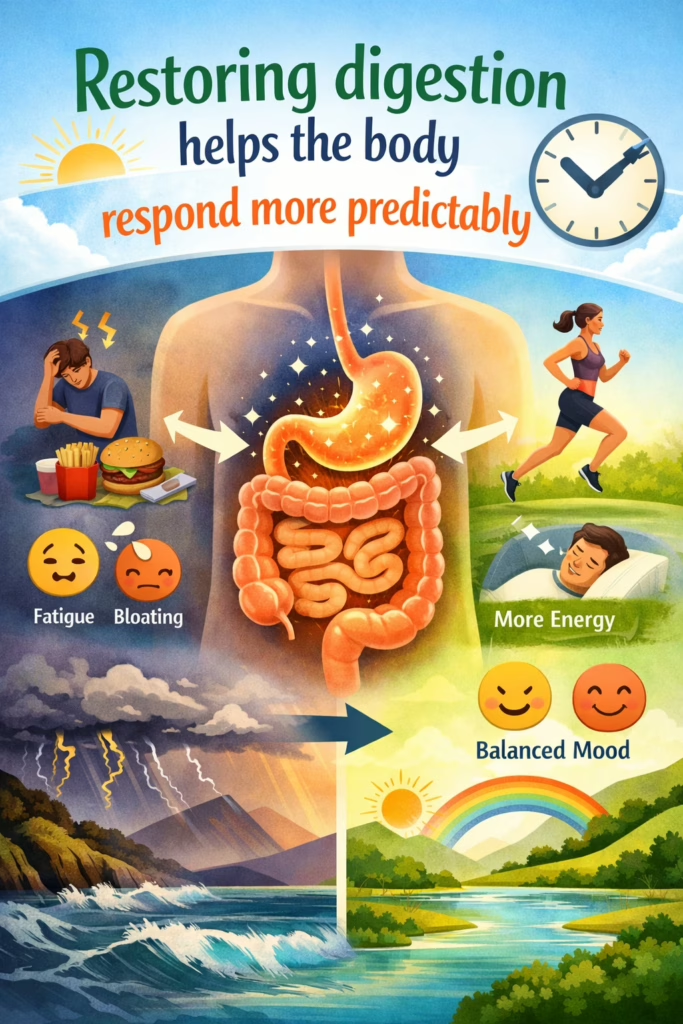
Digestive health and hormones improve when inflammation calms and nutrients absorb well. Many people benefit from removing trigger foods temporarily. Others need targeted gut support.
Probiotics, prebiotics, and peptide support may help some patients. These tools are selected carefully and guided by data. More is not always better.
Addressing SIBO, IBS, or food sensitivities may reduce bloating and weight gain. Energy often improves first. Body composition changes may follow over time.
This approach is not about restriction. It is about rebuilding trust between the gut, hormones, and metabolism. Patience matters. Progress is often gradual.
Conclusion and Next Step
Gut health and weight gain are deeply connected through hormones, inflammation, and metabolism. When digestion struggles, hormone signals may shift, leading to unexplained weight changes.
Many people with difficulty losing weight are not doing anything wrong. Their gut and hormones may simply need support. Understanding this connection can reduce frustration and guide next steps.
At Eternal Vitality, we take an integrative view of gut health, hormones, sleep, stress, and metabolism. This approach helps patients feel informed and supported. If you are in the Orlando area and want to learn more, consider your next step.
Book a Vitality Discovery Session: https://myeternalvitality.com
Frequently Asked Questions
Can gut issues really cause weight gain?
Gut issues may influence hormones, inflammation, and metabolism. This can affect weight, especially over time.
Why do I have belly fat despite eating well?
Stubborn belly fat may relate to cortisol, insulin resistance, or gut inflammation rather than calories alone.
Is bloating related to weight gain?
Bloating can increase scale weight and signal digestive stress. It does not always reflect fat gain.
Can fixing gut health improve energy?
Many patients notice better energy as digestion and nutrient absorption improve. Results vary.
Do probiotics help with weight loss?
Probiotics may support gut balance for some people. They are not a standalone weight solution.
Eternal Vitality
4361 Hunters Park Ln
Orlando, FL 32837
(407) 710-1840