

The hidden link between low testosterone and fatigue in men is a growing concern for high-performing men in their late thirties through fifties. Many notice energy fading despite discipline, success, and healthy habits. This pattern often feels confusing and frustrating.
At Eternal Vitality in Orlando, Florida, we see men who look strong on the outside but feel depleted inside. They push through work, family, and fitness, yet chronic fatigue quietly limits their drive. This matters because energy shapes focus, motivation, and long-term health.
Fatigue is not always about sleep or willpower. Hormones, metabolism, and stress physiology often play a deeper role. Understanding this connection helps men make informed, safe choices about their health.
Can low testosterone and fatigue in men be connected at a biological level?
Many men search this topic because rest, exercise, and nutrition no longer restore energy. Low testosterone and fatigue in men often appear together, especially during high stress or aging years. This question matters because testosterone influences more than muscle or libido.
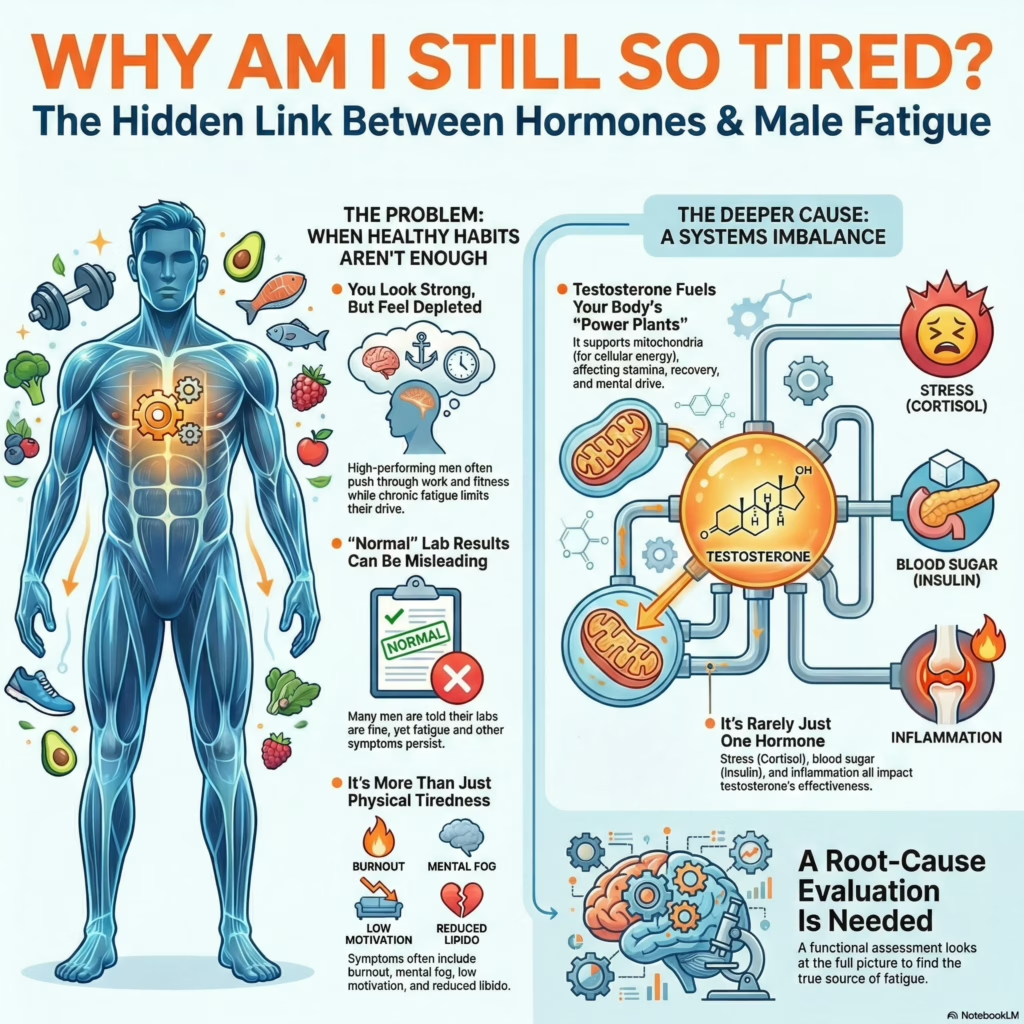
Testosterone supports cellular energy, mood stability, and recovery. When levels decline, men may experience chronic fatigue in men that feels both physical and mental. This can happen even when basic lab results appear normal.
Hormone-related fatigue in men is often subtle at first. Men may describe burnout, mental fog, or reduced motivation rather than classic illness. Understanding the physiology explains why this pattern is so common.
Testosterone influences multiple energy systems in the male body
Testosterone supports mitochondria, the structures that create cellular energy. When levels drop, testosterone and energy levels decline together. This can lead to low T and exhaustion that sleep alone does not fix.
Low testosterone symptoms in men often include reduced stamina, slower recovery, and mental fatigue. Testosterone also interacts with dopamine, affecting drive and motivation. This explains why fatigue and low libido in men often overlap.
Male hormone imbalance and fatigue rarely exist alone. Cortisol, insulin, and inflammation influence how testosterone works. A systems-based approach to fatigue looks beyond one hormone and considers overall metabolic health.
Why does low testosterone and fatigue in men persist even with normal labs?
Many men feel exhausted yet are told their labs look fine. Low testosterone and fatigue in men can exist even when values fall within reference ranges. This gap creates frustration and delays meaningful support.
Standard testing often misses functional patterns. Testosterone deficiency fatigue may relate to poor hormone signaling, inflammation, or stress overload. These factors affect how testosterone functions at the tissue level.
Unexplained fatigue in men is one of the most common reasons men seek functional medicine for male fatigue. They sense something is off, even when routine evaluations do not explain symptoms.
Functional evaluation reveals patterns traditional labs may miss
Fatigue despite normal labs often reflects imbalance rather than disease. Cortisol and testosterone imbalance can blunt energy and motivation. Chronic stress may suppress testosterone production over time.
Insulin resistance and low testosterone frequently appear together. Blood sugar instability increases metabolic fatigue and worsens hormone-related fatigue in men. Gut health and testosterone also interact through inflammation and nutrient absorption.
Root cause of chronic fatigue in men often involves multiple systems. Adrenal dysfunction in men, inflammation and testosterone, and metabolic stress all contribute. Addressing these patterns requires careful, individualized evaluation.
How can men safely address low testosterone and fatigue in men long term?
Men want clarity, not quick fixes. Low testosterone and fatigue in men respond best to thoughtful evaluation and steady support. Safety, education, and realistic expectations matter.
Hormone optimization for men is often considered after lifestyle, stress, and metabolic factors are reviewed. Testosterone therapy for fatigue is not a universal solution. Many men benefit from understanding their full hormonal picture first.
A men’s vitality assessment looks at sleep, nutrition, stress physiology, and movement. This approach supports male vitality and hormone health without promises or pressure.
Personalized strategies improve outcomes and protect long-term health
Men benefit when testosterone evaluation for men includes context. Male hormone panel fatigue reviews often include cortisol, insulin, thyroid markers, and inflammation. This helps explain why men feel exhausted all the time.
Low energy despite exercise may reflect overtraining combined with hormone imbalance. Brain fog and low testosterone often improve when sleep quality, gut health, and stress are addressed together.
At Eternal Vitality, care is designed to support informed decisions. Many men choose to book a Vitality Discovery Session to explore root-cause fatigue assessment options. This process is educational, individualized, and paced for safety.
Conclusion and next step
Low testosterone and fatigue in men rarely have a single cause. Energy loss often reflects hormone shifts, metabolic stress, and chronic overload working together. Understanding this connection empowers men to take thoughtful action.
High-performing men deserve clarity, not dismissal. When fatigue not improved with sleep persists, a deeper look may reveal hormone-related fatigue in men that responds to supportive care. Results vary, and progress is often gradual.
If you are navigating ongoing fatigue, consider learning more about your options. Many men in Orlando choose to book a Vitality Discovery Session to explore a men’s hormone evaluation in a calm, professional setting.
Frequently Asked Questions
Can low testosterone cause chronic fatigue in men?
Low testosterone may contribute to fatigue by affecting energy production, mood, and recovery. Other systems often play a role as well.
Why do some men feel exhausted even with normal testosterone labs?
Hormone function depends on signaling, stress, and metabolism. Normal numbers do not always reflect optimal function.
Can lifestyle changes improve hormone-related fatigue in men?
Many men notice improvement with better sleep, stress management, and nutrition. Support varies by individual.
When should a man consider a testosterone evaluation?
Men often explore evaluation when fatigue, low motivation, or low libido persist despite healthy habits.
Eternal Vitality
4361 Hunters Park Ln
Orlando, FL 32837
(407) 710-1840