

5 reasons women in their 40s feel exhausted no matter what they do is a question we hear daily, and this pattern of fatigue often reflects deeper hormone and metabolic shifts. At Eternal Vitality in Orlando, Florida, many high-functioning women tell us they are doing everything right, yet still feel drained.
They are exercising, eating clean, and sleeping longer. Still, they wake up tired and push through the day on caffeine and willpower.
This stage of life is not a personal failure. It is often a biological transition.
Understanding what is happening inside your body is the first step toward restoring energy in a safe and intentional way.
Is hormone imbalance one of the 5 reasons women in their 40s feel exhausted no matter what they do?
In your 40s, hormone levels begin to shift more noticeably. Estrogen, progesterone, and testosterone fluctuate before menopause.
These changes can affect sleep, mood, metabolism, and even how your brain uses energy.
The National Institute on Aging reports that most women begin perimenopause in their 40s, sometimes as early as their mid 40s. This transition can last several years.
When hormones fluctuate daily, your body works harder to maintain balance. That effort alone can feel exhausting.
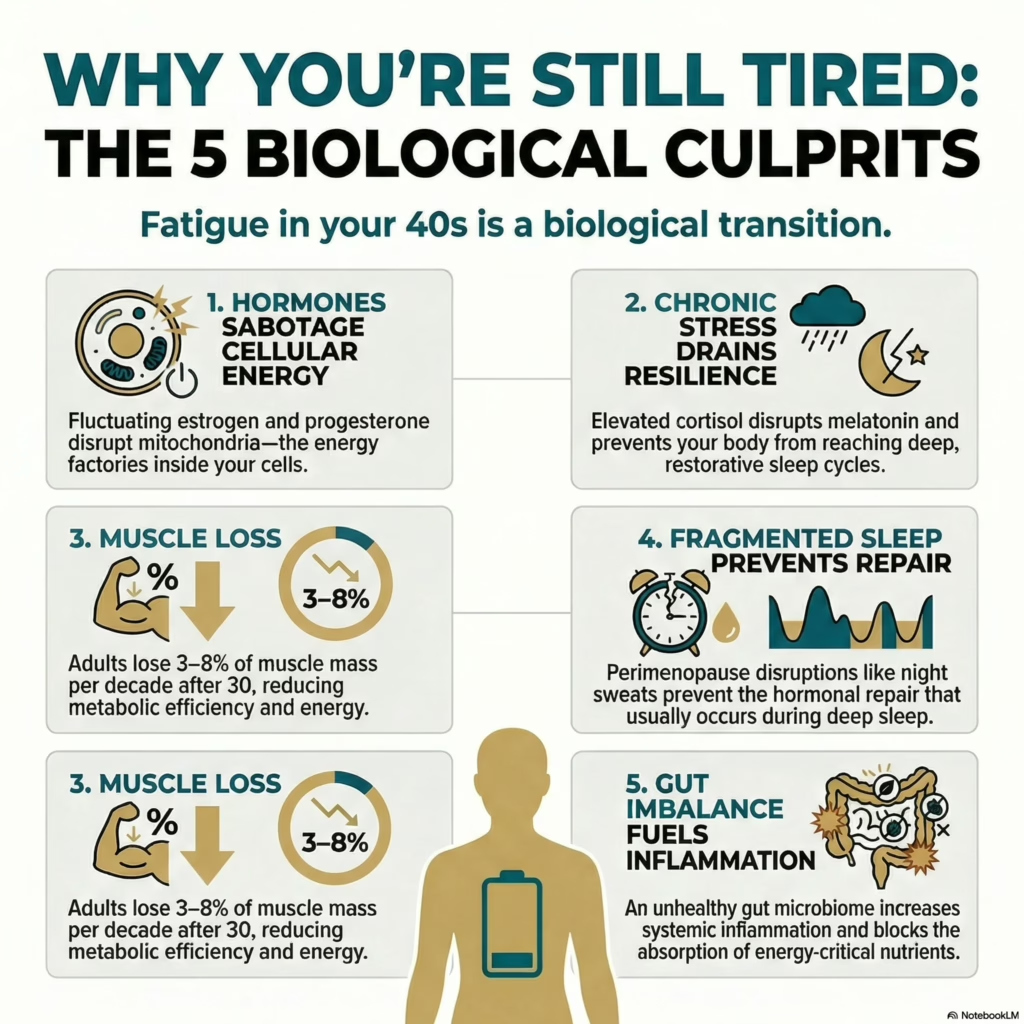
Fluctuating estrogen alters cellular energy production
Hormones are chemical messengers. They tell your cells how to function.
Estrogen helps regulate mitochondria, which are the energy factories inside your cells. When estrogen drops or spikes unpredictably, energy production may feel less efficient.
Progesterone also supports calm sleep and stress resilience. Lower levels can make you feel wired at night and tired in the morning.
Testosterone, often overlooked in women, supports muscle mass and motivation. Even small declines can affect stamina.
Hormone imbalance is one of the most common drivers behind the 5 reasons women in their 40s feel exhausted no matter what they do. It often connects with stress physiology and sleep disruption.
At Eternal Vitality, this is why we look at comprehensive hormone panels rather than guessing.
Could chronic stress and cortisol dysregulation explain the 5 reasons women in their 40s feel exhausted no matter what they do?
Women in their 40s often carry peak responsibility. Careers are demanding. Teenagers need guidance. Aging parents require support.
Your body responds to stress by releasing cortisol. In short bursts, cortisol is helpful. Over time, it can drain your reserves.
A survey from the American Psychological Association found that women consistently report higher stress levels than men, and midlife women report some of the highest levels overall.
When cortisol stays elevated, it can disrupt sleep, increase inflammation, and impair hormone balance.
Persistent cortisol elevation drains resilience
Chronic stress changes how your brain communicates with your adrenal glands.
At first, you may feel alert and productive. Over time, your system becomes dysregulated. You may feel tired but unable to relax.
High cortisol at night interferes with melatonin. This affects deep sleep cycles. Poor sleep then worsens metabolism and mood the next day.
Stress also impacts gut health. The gut and brain are deeply connected. When digestion is inflamed or irregular, nutrient absorption may decline.
Without adequate nutrients, mitochondria struggle to produce steady energy. This creates a loop of fatigue.
Supporting stress physiology often involves improving sleep hygiene, nutrition, and sometimes targeted therapies. Peptide support, hormone balancing, and gut optimization may be layered carefully based on individual needs.
How do metabolism and muscle changes contribute to the 5 reasons women in their 40s feel exhausted no matter what they do?
Many women notice weight gain around the abdomen in their 40s. They may also feel weaker despite consistent workouts.
Muscle mass naturally declines with age if not intentionally preserved. This process is called sarcopenia.
Research shows that adults can lose up to 3 to 8 percent of muscle mass per decade after age 30 if strength training is not maintained. Muscle is metabolically active tissue.
Less muscle means a slower metabolism. A slower metabolism means less efficient energy production.
Declining lean mass reduces metabolic efficiency
Muscle helps regulate blood sugar and insulin sensitivity.
When muscle mass decreases, blood sugar swings may increase. Those swings can cause afternoon crashes and cravings.
Insulin resistance also becomes more common during perimenopause. Estrogen plays a role in glucose control. When it fluctuates, metabolic stability may decline.
Lower muscle mass can affect confidence and motivation. You may feel like your workouts are no longer working.
This is why strength training, adequate protein intake, and recovery are essential in your 40s. Sleep and hormone balance support muscle preservation.
At our Orlando clinic, we often assess body composition rather than weight alone. Looking at lean mass gives a clearer picture of metabolic health.
What role does sleep disruption play in midlife exhaustion?
Sleep changes are one of the most overlooked reasons for fatigue.
Night sweats, anxiety, and frequent waking are common in perimenopause.
Even if you are in bed for eight hours, fragmented sleep prevents deep restoration.
Fragmented sleep limits full recovery cycles
Your body repairs tissues and balances hormones during deep sleep.
Growth hormone release, which supports muscle and metabolism, peaks at night. Poor sleep reduces that release.
REM sleep supports mood and memory. If you wake frequently, you may not reach adequate REM cycles.
Many women describe feeling mentally foggy and physically heavy. This often reflects poor sleep architecture rather than laziness.
Improving sleep may include light exposure during the day, reducing evening screen time, managing stress, and evaluating hormone patterns.
When sleep improves, energy often follows.
How does gut health connect to the 5 reasons women in their 40s feel exhausted no matter what they do?
The gut influences inflammation, immunity, and even hormone recycling.
In your 40s, digestive changes may appear subtly. Bloating, irregular stools, or new food sensitivities are common.
Your gut microbiome helps metabolize estrogen. If the microbiome is imbalanced, estrogen clearance may be disrupted.
Microbiome imbalance influences systemic inflammation
An unhealthy gut lining can increase low grade inflammation.
Inflammation diverts energy away from performance and toward immune defense.
Poor digestion also limits absorption of iron, B vitamins, and magnesium. These nutrients are critical for mitochondrial energy production.
The Vital Gut Rebuild approach we use focuses on revealing imbalances, resetting inflammation, rebuilding the gut lining, and realigning long term habits.
Gut health is not separate from hormone health. It is deeply integrated.
Conclusion and Next Step
The 5 reasons women in their 40s feel exhausted no matter what they do often include hormone shifts, stress overload, muscle loss, sleep disruption, and gut imbalance.
Fatigue in midlife is rarely about laziness. It is usually about biology.
When we look at hormones, metabolism, stress physiology, sleep, and gut health together, patterns begin to make sense.
If you are in Orlando and feel that your energy has changed, you are not alone. Many women benefit from a structured, personalized evaluation. Book a Vitality Discovery Session.
Frequently Asked Questions
Is this just normal aging?
Some fatigue is common with age. Severe or persistent exhaustion often reflects modifiable factors like hormone balance or sleep quality.
Should I just exercise more?
Overtraining can worsen cortisol imbalance. Strategic strength training and recovery are often more effective.
Do supplements fix midlife fatigue?
Supplements may help when deficiencies exist. They are most effective when guided by testing and a comprehensive plan.
When should I get hormones checked?
If you notice mood swings, poor sleep, weight changes, or low libido, it may be helpful to review hormone levels.
Can gut health really affect energy?
Yes. The gut impacts nutrient absorption, inflammation, and hormone recycling, all of which influence energy.
Key Points Summary
- Hormone fluctuations in perimenopause can impair cellular energy production
- Chronic stress and cortisol imbalance disrupt sleep and metabolism
- Loss of muscle mass reduces metabolic efficiency
- Fragmented sleep prevents hormonal repair and recovery
- Gut health directly influences inflammation and nutrient absorption
- Fatigue in your 40s is common but often addressable with personalized care
Eternal Vitality
4361 Hunters Park Ln
Orlando, FL 32837
(407) 710-1840