


The question behind “5 Reasons Testosterone Therapy Is Not Working” is one we hear often from men who expected more from treatment. Whether you’re considering testosterone therapy or already receiving it, persistent symptoms can leave you wondering what went wrong.
Imagine a man whose testosterone level rises from 320 to 950. His doctor says his labs look excellent. Yet he still feels tired, struggles to lose weight, and notices only minor improvements in libido and motivation.
At Eternal Vitality in Orlando, Florida, we often remind patients that successful hormone optimization is about more than reaching a target number. Hormones operate within a complex system that includes metabolism, sleep, stress physiology, gut health, and cellular function.
If your symptoms are not improving despite adequate testosterone levels, the answer may be deeper than simply increasing your dose.
Why Are So Many Men Searching for Reasons Testosterone Therapy Is Not Working?
Testosterone therapy has become increasingly popular among men looking to improve energy, body composition, mental clarity, and sexual health.
Many men begin treatment expecting a dramatic transformation. While some experience noticeable improvements within weeks, others discover that their progress is slower than expected. This can be frustrating, especially when laboratory results suggest everything is working correctly.
One of the biggest misconceptions in men’s health is that higher testosterone automatically means better results. While testosterone is important, it is only one signal within a larger biological network.
Your body must receive that signal, process it properly, and respond to it at the cellular level. If something interferes with that process, symptoms may persist even when testosterone levels appear optimal.
Table of Contents
Better Numbers Do Not Always Mean Better Outcomes
A common mistake is focusing exclusively on total testosterone.
Total testosterone is important, but it does not tell the entire story. Two men can have identical testosterone levels and experience completely different results.
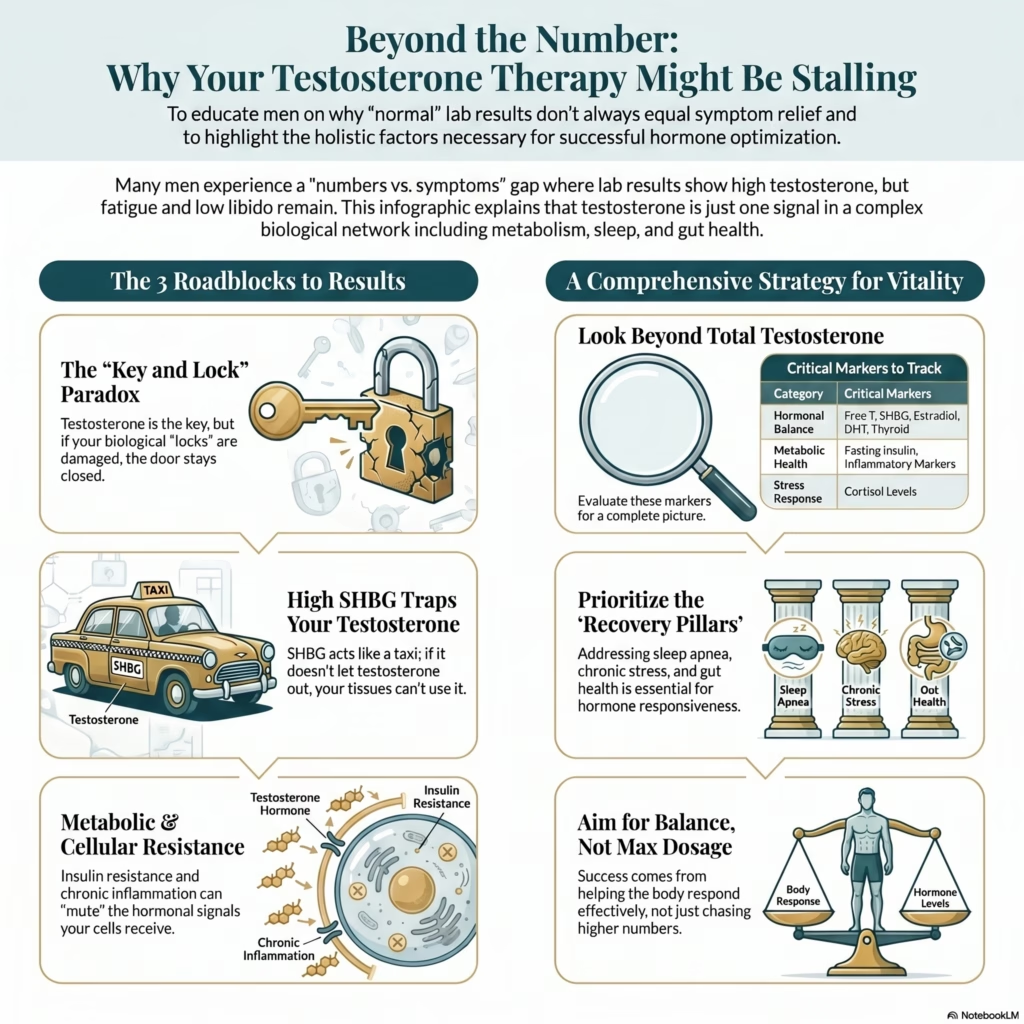
Think of testosterone as a key. The key may be perfectly designed, but if the lock is damaged, the door still will not open.
Factors such as sleep quality, inflammation, insulin resistance, thyroid function, gut health, and hormone balance all influence how effectively your body uses testosterone. This is why symptom improvement often matters more than chasing a specific number on a lab report.
What Causes Testosterone Resistance and Poor Testosterone Therapy Results?
The term testosterone resistance has become increasingly popular online. While true androgen receptor disorders are relatively uncommon, several factors can reduce how effectively your body responds to testosterone therapy.
Understanding these issues may help explain why symptoms continue despite treatment.
Several Overlooked Factors May Be Holding You Back
Reason #1: Your Free Testosterone Is Still Too Low
Many men are told their testosterone levels look great, yet they still feel poorly.
One possible reason is elevated Sex Hormone Binding Globulin, or SHBG. This protein binds to testosterone in the bloodstream. When SHBG becomes too high, less testosterone remains available for your tissues to use.
Think of SHBG as a taxi carrying testosterone through your body. If too much testosterone stays inside the taxi, it may not reach its final destination effectively. This is why evaluating free testosterone and SHBG is often just as important as measuring total testosterone.
Reason #2: Other Hormones Are Out of Balance
Testosterone does not work alone.
Estradiol, DHEA, pregnenolone, cortisol, thyroid hormones, and other signaling molecules all play important roles in energy, mood, libido, and metabolism.
Many men are surprised to learn that estrogen is not automatically the enemy. Healthy estrogen levels support sexual function, cardiovascular health, mood, and joint comfort. The goal is balance, not elimination.
When supporting hormones become imbalanced, testosterone therapy may feel less effective.
Reason #3: Stress and Poor Sleep Are Working Against You
Sleep is one of the most overlooked aspects of hormone optimization.
Chronic stress and elevated cortisol may interfere with recovery, energy production, and hormone signaling. Sleep apnea, fragmented sleep, and insufficient sleep duration may also reduce the benefits many men expect from therapy.
If your body never enters a fully restorative state, it becomes much harder to experience the full benefits of hormone optimization.
Reason #4: Metabolic and Gut Health Problems Are Creating Resistance
Hormones do not operate independently from metabolism.
Insulin resistance, excess visceral fat, chronic inflammation, and digestive dysfunction may all affect how the body responds to testosterone.
This is one reason why many high-performing men remain frustrated despite adequate testosterone levels. Their hormones may be optimized, but underlying metabolic dysfunction continues to interfere with progress.
Supporting digestive health, reducing inflammation, and improving metabolic flexibility may help create an environment where hormone therapy can work more effectively. This broader perspective is often missing from traditional treatment models.
Reason #5: You May Have Reduced Responsiveness to Testosterone Signals
This is the closest concept to true testosterone resistance.
Research suggests that chronic inflammation, obesity, insulin resistance, and long-term metabolic dysfunction may affect androgen receptor activity. In simple terms, the signal from testosterone may not be received as efficiently as it once was.
Increasing testosterone levels further does not always solve this problem.
Instead, improving sleep, reducing inflammation, supporting metabolic health, and addressing lifestyle factors may help improve how cells respond to hormonal signals over time.
What Should You Do If Testosterone Therapy Is Not Working?
If you are experiencing persistent symptoms, the solution is rarely to simply increase your dosage.
A better approach is identifying what may be preventing your body from fully benefiting from treatment.
This often begins with a comprehensive review of your symptoms, lifestyle habits, laboratory markers, and long-term health goals.
A Comprehensive Strategy Often Creates Better Results
The most effective hormone optimization plans typically look beyond testosterone alone.
A thorough evaluation may include:
- Total testosterone
- Free testosterone
- SHBG
- Estradiol
- DHT
- Cortisol
- Thyroid markers
- Fasting insulin
- Inflammatory markers
Improving sleep quality is often one of the most impactful first steps. Addressing sleep apnea, recovery habits, and stress management may improve energy and hormone responsiveness.
Metabolic health is equally important. Reducing insulin resistance, improving body composition, and supporting healthy nutrition habits may create better conditions for hormone optimization.
Gut health also deserves attention. Digestive dysfunction may contribute to inflammation, poor nutrient absorption, and reduced energy. This is one reason many comprehensive wellness programs include digestive health alongside hormone optimization.
Some men may also benefit from advanced strategies that address multiple systems simultaneously. Depending on individual needs, this may include hormone optimization through the VITAL Reclamation™ Method, digestive support through the Vital Gut Rebuild™, or recovery-focused approaches such as the Vital Peptide Method™.
The goal is not simply to raise testosterone.
The goal is to help your body respond to testosterone more effectively.
Conclusion & Next Step
Understanding the reasons testosterone therapy is not working can help you avoid one of the biggest mistakes in hormone optimization: assuming higher numbers automatically create better outcomes.
In many cases, persistent symptoms are linked to high SHBG, hormone imbalances, poor sleep, chronic stress, metabolic dysfunction, gut health concerns, or reduced cellular responsiveness rather than inadequate testosterone levels alone.
When these underlying factors are addressed, many men notice improvements in energy, body composition, recovery, mental clarity, and overall well-being.
If you are exploring hormone optimization in Orlando, learning how your entire system influences testosterone response may be one of the most valuable steps you can take toward lasting vitality.
Learn more about this service on our website.
Frequently Asked Questions
Can testosterone therapy fail even when my labs look normal?
Yes. Hormone levels are only part of the picture. Sleep, stress, metabolism, gut health, and hormone balance may all influence your results.
What is testosterone resistance?
Testosterone resistance generally refers to reduced responsiveness to testosterone signals. True androgen receptor disorders are uncommon, but lifestyle and metabolic factors may influence hormone responsiveness.
Why is free testosterone important?
Free testosterone is the portion available for your tissues to use. High SHBG levels may reduce free testosterone even when total testosterone appears optimal.
Does estrogen matter during testosterone therapy?
Yes. Healthy estrogen levels support mood, libido, joint health, and overall hormone balance. The goal is appropriate balance rather than elimination.
What should I check if testosterone therapy is not working?
Consider evaluating free testosterone, SHBG, estradiol, cortisol, thyroid function, fasting insulin, sleep quality, and lifestyle factors with a qualified healthcare provider.
4361 Hunters Park Ln
Orlando, FL 32837
(407) 710-1840