
Mood Swings, Irritability, and Low Sex Drive: Signs of a Hormone Imbalance? are some of the most common hormone imbalance symptoms adults experience when their body no longer feels emotionally steady or connected. These changes often develop quietly, then begin affecting daily life, relationships, and confidence.
At Eternal Vitality just minutes from Lake Nona, Florida, many patients describe feeling more reactive, less patient, or uninterested in intimacy despite strong motivation and healthy habits.
Hormones influence mood, desire, sleep, and stress response every day. When balance shifts, emotional symptoms often appear before physical ones.
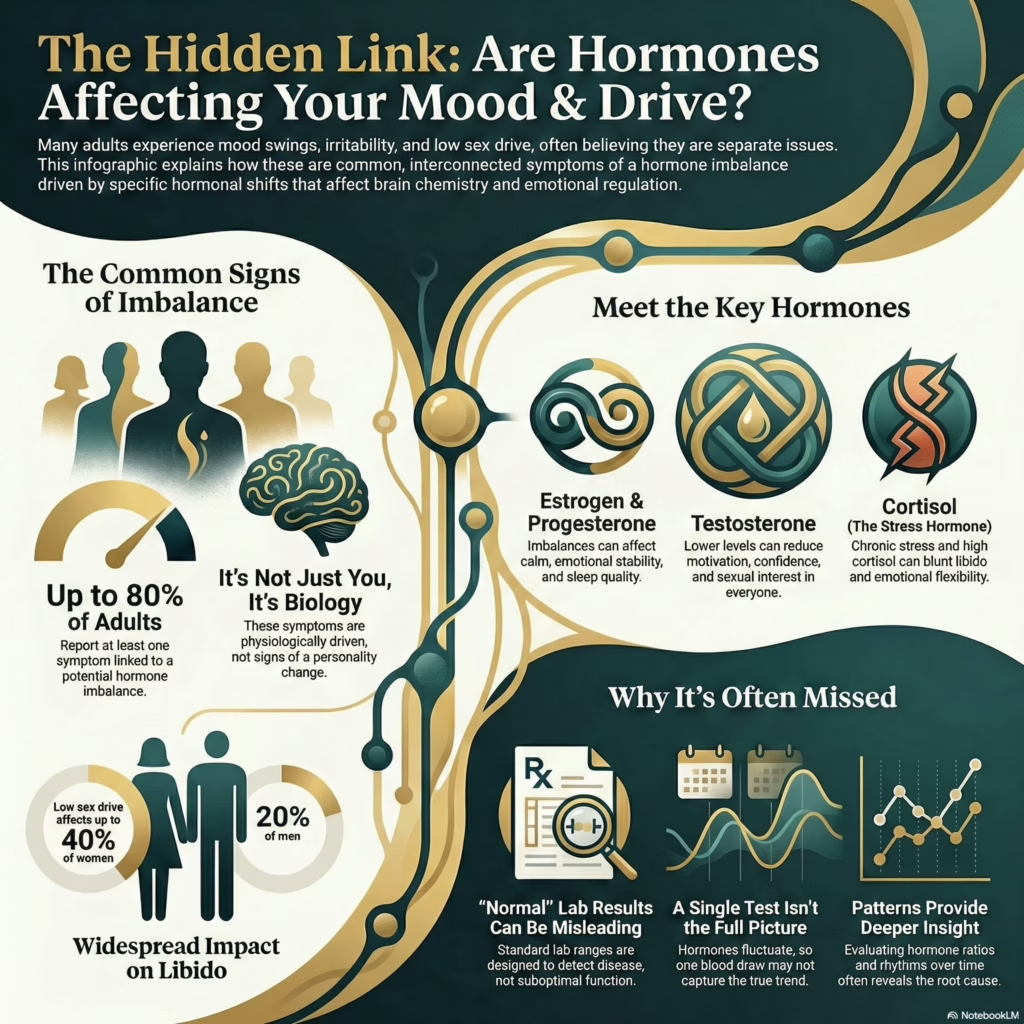
This matters because research suggests up to 80 percent of adults report at least one symptom linked to hormone imbalance, yet many never receive clear explanations.
Are mood swings, irritability, and low sex drive common hormone imbalance symptoms?
These experiences are among the most reported hormone imbalance symptoms in adults. They often occur together because they share the same biological pathways.
Hormones act as chemical messengers between the brain and body. When signaling becomes inconsistent, emotional regulation and desire may change.
Population studies show that nearly one in three adults reports frequent mood swings, and many of those individuals also report changes in libido during the same period.
Understanding that these symptoms are connected helps explain why they often rise together.
Emotional and sexual symptoms often share the same root
Mood swings hormone imbalance patterns may involve estrogen, progesterone, testosterone, or cortisol. These hormones influence serotonin, dopamine, and stress resilience.
When balance shifts, emotions may feel exaggerated or unpredictable. Irritability may appear with minimal triggers.
Low sex drive hormones are often affected at the same time. Desire depends on hormonal harmony, not extremes.
In this context, hormone imbalance symptoms act as feedback from the nervous system rather than isolated problems.
How do hormone imbalances affect mood, emotions, and sex drive?
Hormonal mood changes are grounded in measurable physiology, not personality changes. Hormones influence brain chemistry, sleep cycles, inflammation, and blood sugar stability.
Each of these systems affects emotional balance and desire. When disruption occurs, motivation and intimacy may decline together.
Data suggests that low sex drive affects up to 40 percent of women and 20 percent of men at some point in adulthood, with hormonal shifts as a frequent contributor.
This explains why lifestyle changes alone do not always restore balance.
Hormones regulate brain chemistry and motivation together
Estrogen and progesterone support calm, emotional stability, and sleep quality. Imbalances may contribute to anxiety or low mood.
Testosterone supports confidence, motivation, and sexual interest in both men and women. Lower levels may reduce drive and vitality.
Cortisol, the body’s main stress hormone, plays a major role in irritability hormone imbalance patterns. Chronic stress may blunt libido and emotional flexibility.
Supporting hormones alongside metabolism, gut health, and sleep often leads to steadier emotional outcomes.
Why are hormone imbalance symptoms often missed on standard lab testing?
Many adults are told their labs look normal even when symptoms persist. This disconnect can feel confusing and discouraging.
Conventional lab ranges are designed to identify disease, not optimal function. A value may fall within range yet still be suboptimal for the individual.
Hormones also fluctuate throughout the day and month. A single blood draw may not capture meaningful trends.
This is why hormone imbalance symptoms in adults are frequently overlooked.
Patterns and context provide deeper insight than single values
Functional evaluation considers hormone ratios, timing, and symptom alignment rather than isolated numbers.
For example, cortisol rhythm often matters more than total cortisol levels. Free hormone availability may matter more than total production.
Studies suggest that people with persistent symptoms are nearly twice as likely to find clarity when hormone patterns are evaluated over time instead of relying on single measurements.
This approach often explains why symptoms persist despite “normal” labs.
Who is most likely to experience hormone imbalance symptoms as adults?
Hormonal shifts affect both men and women and can begin earlier than expected. Stress exposure, sleep quality, and metabolic health all influence risk.
Women may notice symptoms during perimenopause, postpartum years, or after long-term hormonal contraceptive use.
Men may experience gradual testosterone decline alongside rising stress and reduced sleep quality.
Hormone imbalance symptoms in adults are not limited to aging. High-demand lifestyles can accelerate imbalance at any age.
Daily habits strongly influence hormone resilience
Chronic stress, poor sleep, blood sugar instability, and gut inflammation may disrupt hormone signaling.
Supporting digestion, metabolism, stress physiology, and sleep may improve hormonal stability over time.
At Eternal Vitality, hormone care is often integrated with gut health, peptide support, metabolism, and sleep optimization to support the whole system.
Conclusion and Next Step
Hormone imbalance symptoms help explain why mood swings, irritability, and low sex drive often appear together rather than alone. These patterns are common and biologically driven.
When hormones lose balance, emotional regulation and desire often shift with them. Understanding this connection can reduce confusion and self-blame.
Many adults in Lake Nona seek clarity when emotional changes begin affecting relationships or quality of life.
If you would like to explore whether hormone balance may be influencing how you feel, learning more is a thoughtful next step.
Book a Vitality Discovery Session
https://myeternalvitality.com
Frequently Asked Questions
Can hormone imbalance symptoms affect mental clarity?
Yes. Hormones influence neurotransmitters involved in focus, motivation, and emotional regulation.
Are irritability and anger linked to hormones?
They may be. Stress hormones and sex hormone shifts can affect emotional reactivity.
Is low sex drive always hormonal?
Not always. Stress, medications, sleep, and relationship factors may also play roles.
Can gut health influence hormone balance?
Yes. The gut helps metabolize hormones and regulate inflammation and neurotransmitters.
Do hormone imbalance symptoms improve over time?
Many people notice gradual improvement when contributing factors are addressed. Results vary.
Eternal Vitality
4361 Hunters Park Ln
Orlando, FL 32837
(407) 710-1840