
Stubborn weight gain after 40, is it your metabolism or your hormones? This question reflects a common concern tied to weight gain after 40. Many adults notice body changes after 40 weight gain, even with consistent habits.
At Eternal Vitality in Orlando, Florida, we hear this daily. People feel confused when effort no longer matches results. Weight loss resistance after 40 can feel discouraging and personal.
This matters because unexplained weight gain after 40 affects confidence, energy, and long-term health. Understanding why weight loss is harder after 40 helps people choose safer, smarter paths forward.
Below, we explore how metabolism after 40 and hormonal weight gain after 40 interact, and why calories alone often miss the root cause.
Is weight gain after 40 caused by a slow metabolism or hormones?
Many people search this because dieting stops working after 40. Exercise not working for weight loss can feel baffling. The question matters because metabolism slowing with age and hormone shifts often overlap.
After 40, the body prioritizes protection over performance. Stress physiology, sleep changes, and muscle loss can all reduce calorie burn. At the same time, metabolic hormone dysfunction may change how fat is stored.
This leads to weight gain despite diet and exercise. People may also notice fatigue and weight gain after 40, or low energy and weight gain, which further limits activity.
Understanding the physiology helps explain why calories not working for weight loss is common at this stage.
Metabolic changes and hormonal shifts drive midlife weight patterns
Biological shifts begin years before visible weight changes. Lean muscle often declines, which lowers resting energy use. This contributes to a slow metabolism after 40, even when routines stay the same.
Hormone imbalance and weight gain often occur together. Estrogen dominance and weight gain may promote fat storage around the hips and abdomen. Low testosterone and weight gain can reduce muscle and strength in both men and women.
Cortisol and belly fat are closely linked. Chronic stress raises cortisol, signaling the body to store energy. Insulin resistance after 40 can also develop, making it harder to move glucose into cells.
Thyroid and weight gain deserve attention as well. Even subtle thyroid shifts can affect temperature regulation, energy, and fat loss after 40. These combined factors explain why stubborn weight gain after 40 is rarely just about food.
Why is weight loss harder after 40 even with healthy habits?
This question reflects frustration. Many people say, “I eat well and exercise, but nothing changes.” Weight gain without eating more feels unfair and confusing.
After 40, recovery slows. Sleep quality may decline, raising hunger hormones. Stress accumulates from work, caregiving, and life transitions, affecting cortisol and insulin.
Perimenopause weight gain and menopause weight gain causes add complexity. Hormone fluctuations change appetite signals and fat distribution. These shifts make personalized weight loss after 40 more important.
Generic plans often fail because they ignore systems-based weight loss principles.
Conventional dieting often misses the real drivers
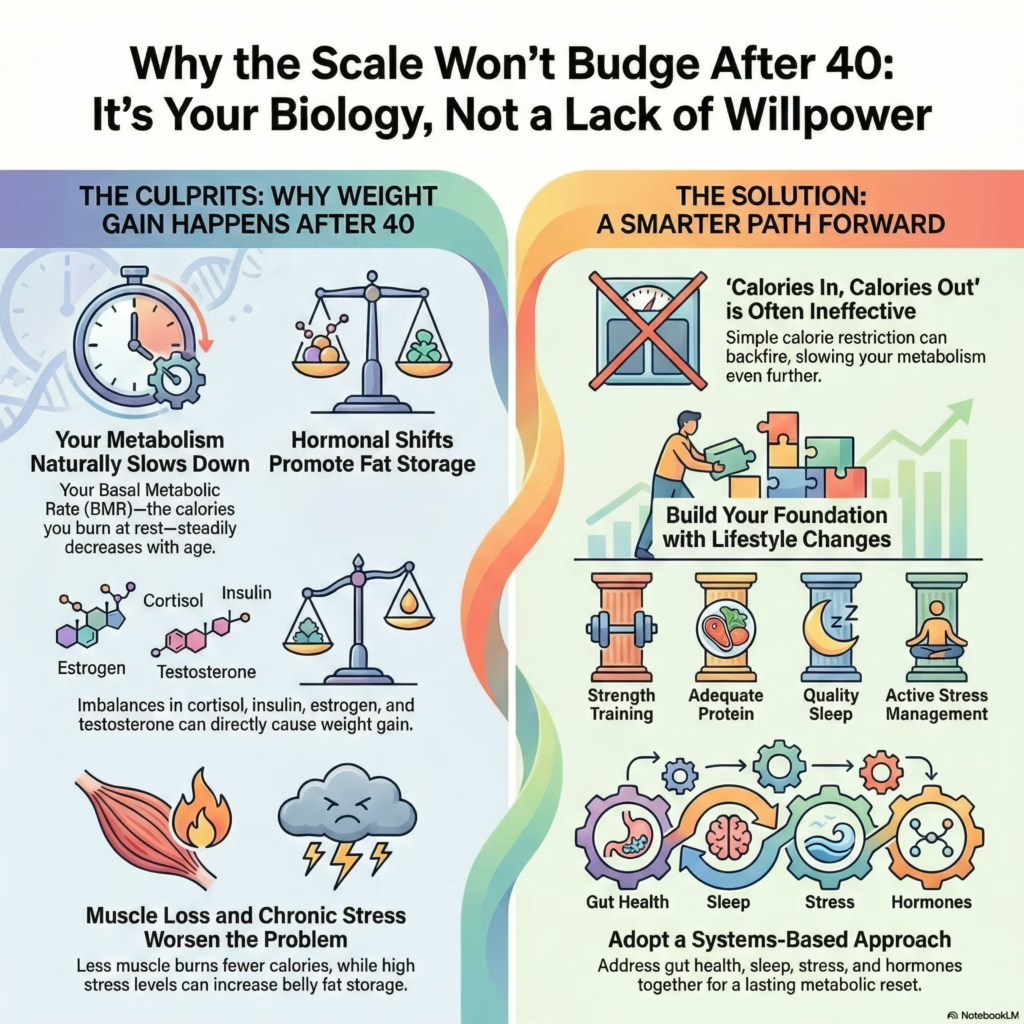
Calorie restriction alone can worsen weight loss resistance after 40. Eating too little may lower metabolic rate further, reinforcing metabolic dysfunction after 40.
Hormonal belly fat often persists despite intense workouts. High-intensity training without recovery can raise cortisol, increasing fat storage. This explains why dieting stops working after 40 for many.
Weight gain with normal labs is also common. Standard tests may appear “normal” but miss functional ranges. Hormone testing for weight gain can reveal subtle imbalances affecting metabolism. Functional medicine for weight loss looks at patterns, not just numbers. Addressing sleep, gut health, stress, and hormones together often improves outcomes.
How can hormones, metabolism, and lifestyle work together safely?
People want actionable guidance that feels realistic. They also want to know who this approach fits and who should be cautious.
A systems-based weight loss approach respects variability. Results vary, and timelines differ. Many notice early changes in energy or sleep within weeks, while body composition may shift over months.
Safety comes from personalization. Hormone optimization for weight loss is often paired with nutrition, movement, and stress support. This reduces risk and improves sustainability.
Integration matters more than intensity.
Coordinated support improves metabolic resilience
Improving metabolic health and hormones starts with assessment. Reviewing sleep, stress, digestion, and movement patterns creates context. Gut health influences inflammation and insulin sensitivity, affecting fat loss after 40.
Peptide support is sometimes used to aid recovery, muscle preservation, and metabolic signaling. This is considered alongside nutrition and resistance training to protect lean mass.
Lifestyle changes remain foundational. Adequate protein, strength training, and consistent sleep support metabolism after 40. Mindful stress practices help regulate cortisol and belly fat.
This approach may not suit everyone. Those with untreated medical conditions or active eating disorders need specialized care. Guidance ensures changes are appropriate and patient-safe.
Conclusion and next step
Stubborn weight gain after 40 often reflects shifts in metabolism after 40 and hormonal weight gain after 40, not personal failure. Understanding root causes helps reduce frustration and risk.
Midlife weight changes involve hormones, stress physiology, muscle loss, and insulin signaling. Addressing one piece alone often falls short.
A personalized, functional approach can support metabolic reset after 40 while respecting individual biology. Many people benefit from coordinated care that includes hormones, gut health, metabolism, sleep, and stress.
If you are exploring options in Orlando, consider learning more about this service on our website. Local guidance can help align testing, education, and support.
Frequently Asked Questions
Can stress alone cause weight gain after 40?
Chronic stress may raise cortisol, which can promote fat storage. It often interacts with sleep and insulin sensitivity.
Why do labs look normal but weight keeps increasing?
Standard ranges may miss functional imbalances. Patterns over time can matter more than single values.
Is belly fat after 40 always hormonal?
Not always, but hormones often contribute. Stress, sleep, and muscle loss also play roles.
Does exercise type matter more after 40?
Yes. Strength training and recovery become more important than volume alone.
How long does it take to see changes?
Energy or sleep shifts may appear within weeks. Body composition changes often take several months.
Eternal Vitality
4361 Hunters Park Ln
Orlando, FL 32837
(407) 710-1840