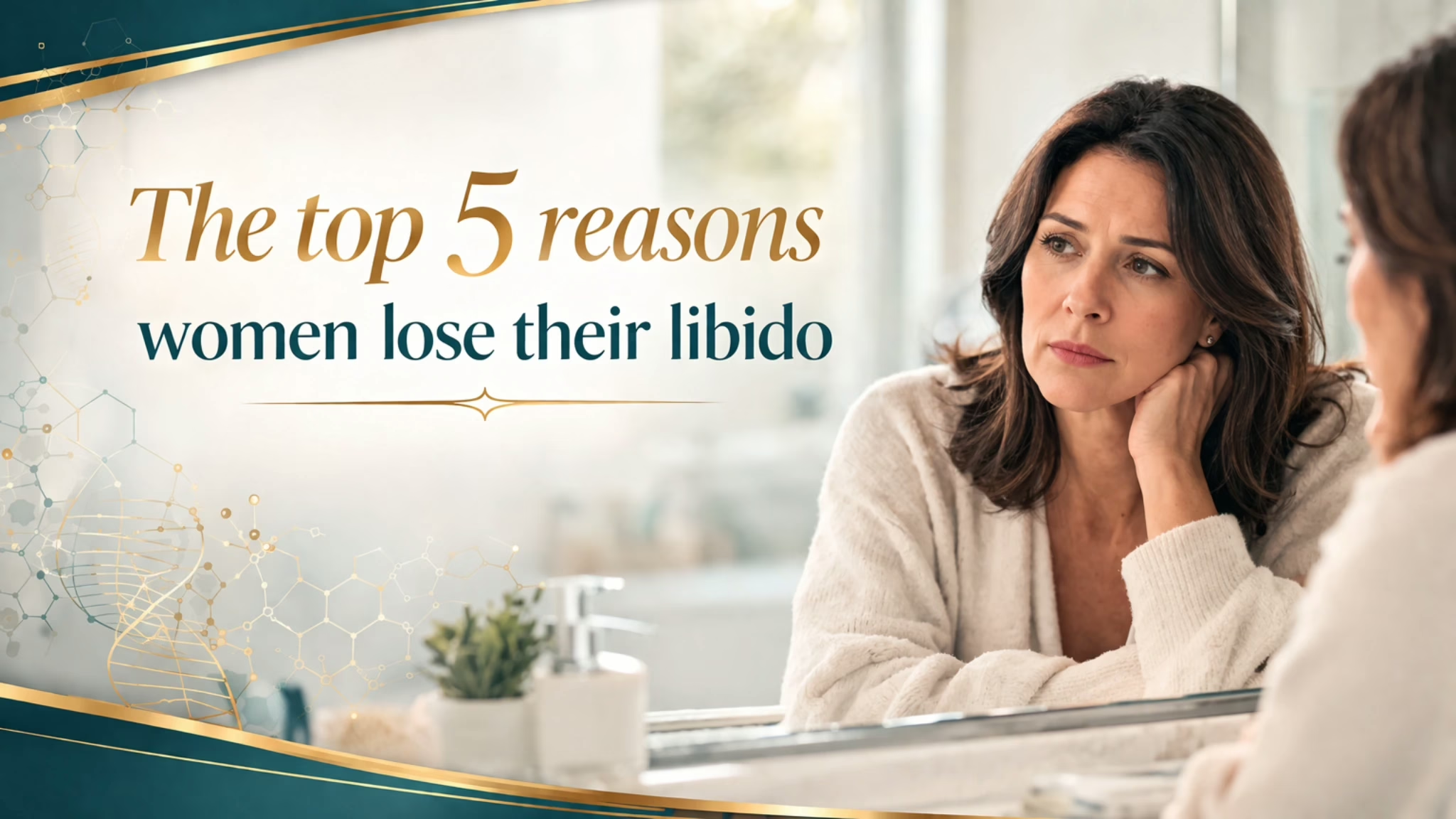
Low libido in women is more common than most realize, and the top 5 reasons women lose their libido and how to get it back naturally often begins with understanding hormone balance, stress, and metabolism.
At Eternal Vitality in Orlando, Florida, we often meet women who feel disconnected from their energy, confidence, and desire.
This shift can affect women in their 30s, 40s, and beyond. It may develop slowly or appear after stress, hormonal changes, or lifestyle shifts.
Low libido in women is not random. It is often a signal from the body that something deeper needs attention.
What are the top 5 reasons women lose their libido and how does hormone balance affect it?
Many women search for answers when low libido in women feels confusing or inconsistent.
Desire is not just emotional. It is deeply tied to hormone balance, nervous system function, and energy availability.
When the body feels safe and supported, libido may return. When it feels stressed or depleted, it often declines.
Understanding the biology behind low libido in women removes shame and replaces it with clarity.
Hormonal and metabolic shifts influence desire patterns
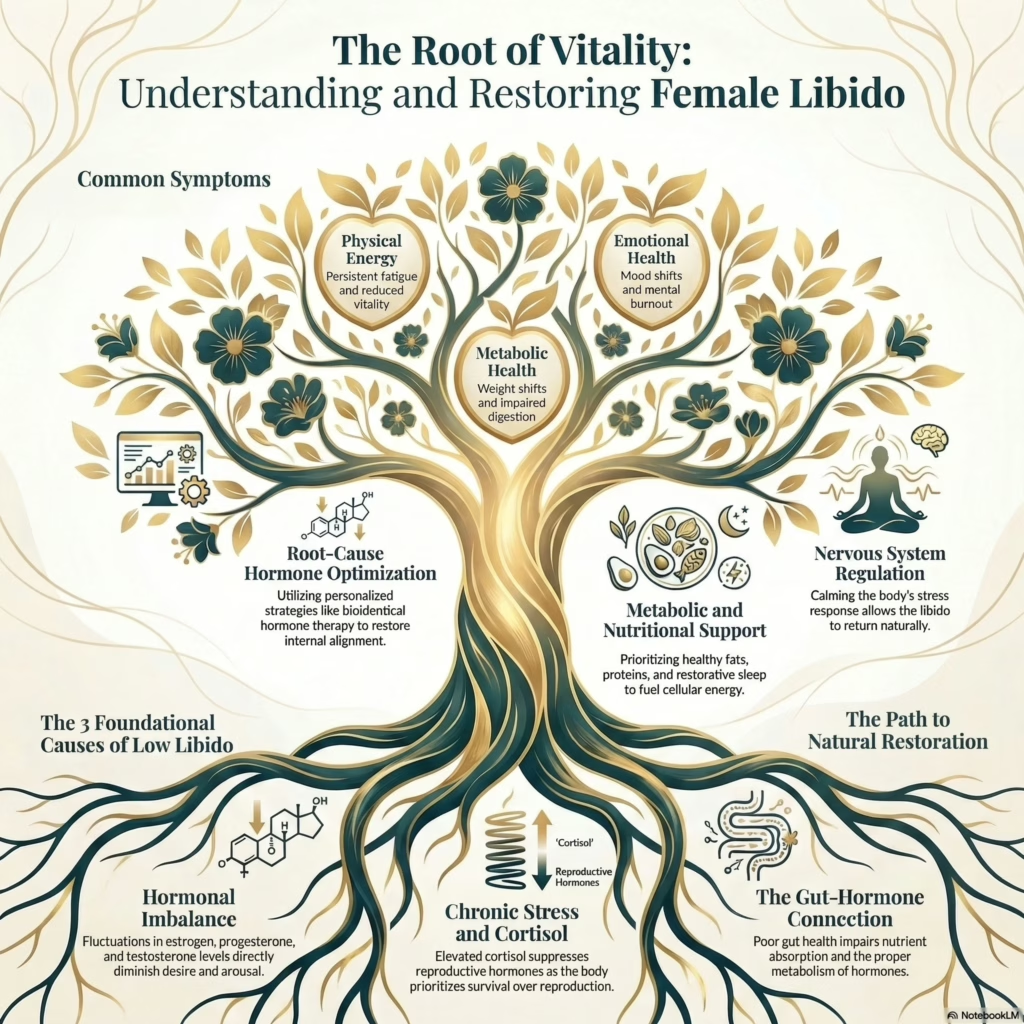
Female libido is strongly influenced by estrogen, progesterone, and testosterone levels. When these hormones become imbalanced, many patients notice changes in desire, arousal, and overall vitality. This is why hormone imbalance symptoms female patients experience often include fatigue, mood shifts, and reduced libido.
Cortisol also plays a major role. Chronic stress can suppress reproductive hormones and impact libido over time. Metabolism is another key factor. When cellular energy is low, the body prioritizes survival over reproduction.
At Eternal Vitality, approaches like the are often used to support hormone balance and restore internal alignment.
How to increase female libido naturally using lifestyle and root-cause care?
Many women want to know how to increase female libido naturally without relying on quick fixes.
The answer often lies in supporting the body as a whole rather than focusing on one symptom.
Low libido in women is frequently connected to daily habits, stress patterns, and internal health systems.
When these systems improve, libido often follows.
Five foundational causes often lower libido
The most common contributors to low libido in women include:
- Chronic stress
Stress raises cortisol and reduces hormone production over time. - Poor sleep quality
Sleep is essential for hormone repair and nervous system recovery. - Hormonal imbalance
Fluctuations in estrogen, progesterone, and testosterone affect desire. - Gut health and hormones imbalance
The gut plays a key role in inflammation, nutrient absorption, and hormone regulation. - Emotional burnout or disconnection
Mental fatigue can reduce interest in intimacy and connection.
Gut health and hormones are closely linked. When digestion is impaired, hormone metabolism may also suffer.
Programs designed to restore gut function can support energy, mood, and hormone balance over time.
Results vary, but many patients notice gradual improvements when these systems are addressed together.
Can low libido in women be improved safely with natural and medical support?
This is one of the most important questions women ask when exploring solutions.
Low libido in women can often improve when the root causes are addressed with a personalized approach.
The goal is not to force desire, but to support the conditions that allow it to return naturally.
This may include both lifestyle strategies and clinical therapies when appropriate.
A personalized approach supports long-term results
Restoring libido often requires a combination of strategies tailored to the individual.
Hormone optimization may help when imbalances are present. This can include bioidentical hormone therapy Orlando patients often explore for symptom support.
Stress regulation is essential. Techniques that calm the nervous system may improve how the body responds to daily demands.
Nutrition also plays a role. Adequate protein, healthy fats, and micronutrients support metabolism and hormone production.
Peptide support is another option some patients consider. These compounds may help support energy, recovery, and hormone signaling pathways.
Improving sleep is one of the most overlooked steps. Consistent, restorative sleep can influence mood, metabolism, and libido.
At Eternal Vitality, care is personalized and designed around the individual, not a template. This reflects a deeper commitment to root-cause wellness and long-term vitality.
Conclusion & Next Step
Low libido in women is often a signal of deeper imbalance involving hormones, stress physiology, metabolism, and gut health.
When these systems are supported, many women notice improvements in energy, mood, and connection over time.
Understanding how to increase female libido naturally begins with addressing root causes rather than masking symptoms.
If you are in Orlando and looking for guidance, a personalized approach can help you better understand your body and your options.
Book a Vitality Discovery Session:
Frequently Asked Questions
What are common hormone imbalance symptoms female patients notice?
Fatigue, mood changes, weight shifts, and low libido are commonly reported.
How to increase female libido naturally without medication?
Lifestyle changes like improving sleep, reducing stress, and supporting nutrition may help
Does gut health and hormones really affect libido?
Yes, gut health influences inflammation and hormone metabolism, which can impact desire.
Is bioidentical hormone therapy Orlando patients use safe?
When guided by a qualified provider, it is often used as part of a personalized plan.
How long does it take to improve low libido in women?
Some notice changes in weeks, while others take a few months depending on the cause.
Eternal Vitality
4361 Hunters Park Ln
Orlando, FL 32837
(407) 710-1840