


Low Energy, Brain Fog, and Burnout: Could It Be a Hormone Imbalance? Many people in Orlando and beyond are asking this exact question.
At Eternal Vitality in Orlando, Florida, we often meet patients who feel unlike themselves but cannot explain why. They are tired, unfocused, and overwhelmed.
These symptoms are common in high-performing individuals balancing careers, family, and stress. Yet they are often dismissed or normalized.
Understanding whether a hormone imbalance may be involved matters. It can shape how you approach your energy, focus, and long-term health.
Could a hormone imbalance be causing low energy, brain fog, and burnout?
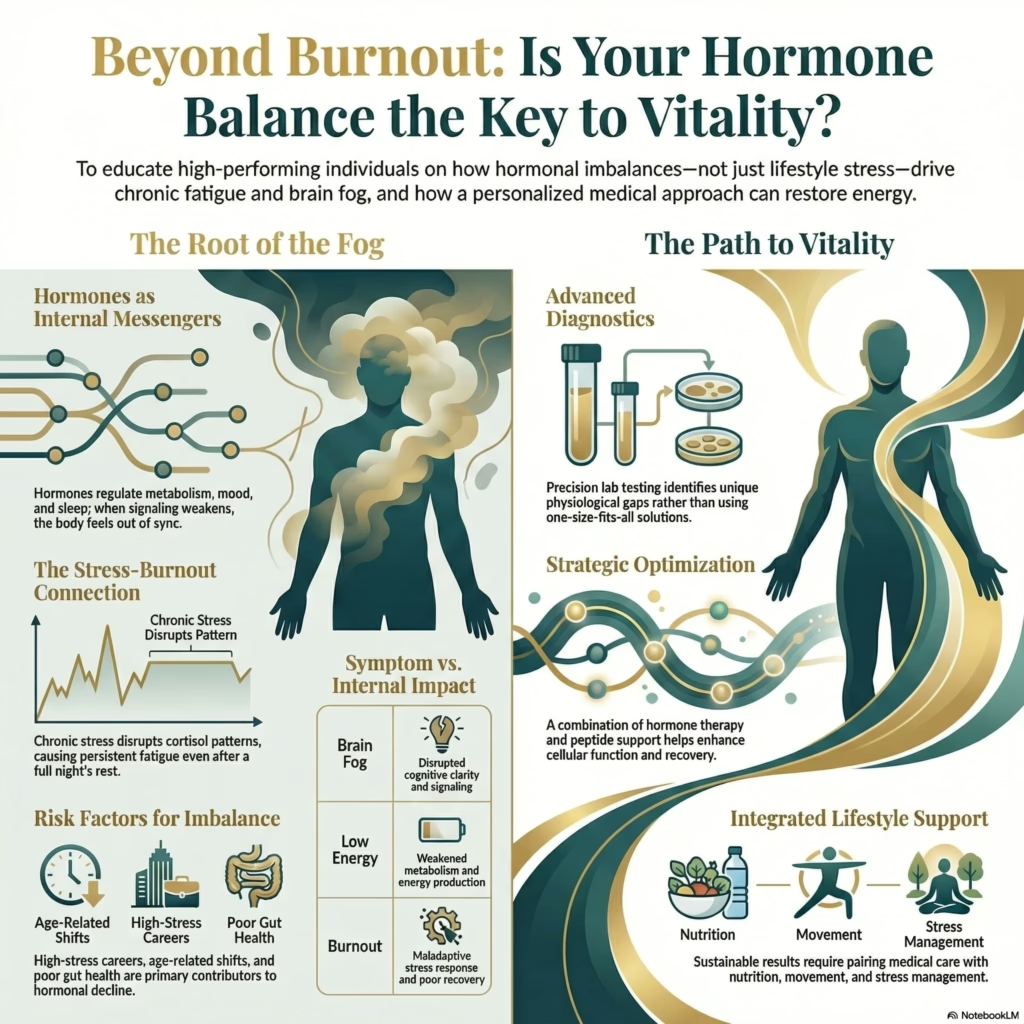
Low energy, brain fog, and burnout are not random. They often reflect deeper shifts in the body’s internal systems. One of the most important systems is hormone balance.
Hormones act as messengers. They regulate metabolism, mood, sleep, and cognitive clarity. When these signals become disrupted, the body may feel out of sync.
Many people search for answers because they feel a steady decline. Energy drops, focus becomes harder, and motivation fades. These are not just lifestyle issues.
A hormone imbalance may affect how efficiently your body produces energy, manages stress, and supports brain function. This is why the connection is so important.
Hormonal signaling drives energy and cognition
Hormones like cortisol, thyroid hormones, testosterone, and estrogen all influence how you feel each day. They work together to support energy production and mental clarity.
When a hormone imbalance occurs, this coordination weakens. You may notice fatigue even after rest. Brain fog can make simple tasks feel harder than usual.
Stress physiology plays a key role here. Chronic stress can disrupt cortisol patterns, which may affect sleep and recovery. Over time, this can contribute to burnout.
Many patients notice that improving hormone balance may help restore a sense of normalcy. This often includes better focus, steadier energy, and improved resilience.
Who is most likely to experience hormone imbalance symptoms like burnout?
Hormone imbalance does not affect only one group. It can impact both men and women at different stages of life.
However, certain patterns increase the likelihood. High stress, poor sleep, and metabolic strain are common contributors. These are often seen in busy professionals.
Age is also a factor. Hormonal shifts naturally occur over time. This includes declines in testosterone or changes in estrogen and progesterone levels.
People who feel “fine but not optimal” often fall into this category. They may not be sick, but they are not functioning at their best either.
Lifestyle and physiology shape risk factors
Modern life places constant demands on the body. Poor sleep, irregular nutrition, and chronic stress can disrupt hormone balance over time.
Metabolism also plays a role. Insulin resistance and weight fluctuations may influence how hormones are produced and used.
Gut health is another key factor. The gut helps regulate inflammation and supports hormone metabolism. When gut health is compromised, a hormone imbalance may follow.
Many patients benefit from a comprehensive approach. This may include evaluating hormones, improving sleep, supporting gut health, and addressing stress patterns.
How can you safely address a hormone imbalance and improve energy?
Addressing a hormone imbalance begins with understanding your unique physiology. There is no one-size-fits-all solution.
A structured approach often starts with advanced diagnostics. This helps identify which hormones may be out of range and why.
From there, a personalized plan can be created. This may include hormone optimization, peptide support, and lifestyle strategies.
Safety and precision matter. The goal is not to override the body, but to support its natural balance.
Strategic care restores balance over time
Effective care focuses on gradual improvement. Many patients notice changes in energy and clarity within several weeks.
Hormone optimization may help support metabolism, sleep quality, and mental performance. Results vary, but consistency is key.
Peptide support is often used to enhance recovery and cellular function. This may complement hormone therapy and improve outcomes.
Lifestyle factors remain essential. Nutrition, movement, sleep, and stress management all influence hormone balance.
This integrated approach reflects the philosophy at Eternal Vitality. It aligns with the idea that true health is built, not rushed.
Conclusion & Next Step
A hormone imbalance can influence far more than most people realize. It may affect energy, focus, mood, and overall resilience.
When symptoms like brain fog and burnout persist, it is worth exploring deeper causes. Many patients in Orlando are discovering that hormones play a meaningful role.
Understanding your body is the first step. From there, a personalized strategy can help guide your path forward.
If you are ready to explore what may be affecting your energy and clarity, consider taking the next step.
Book a Vitality Discovery Session
Frequently Asked Questions
What are common signs of a hormone imbalance?
Common signs include fatigue, brain fog, mood changes, poor sleep, and weight fluctuations. These symptoms can vary between individuals.
How is hormone imbalance diagnosed?
It is typically evaluated through lab testing, symptom review, and a full health history. This helps create a complete picture.
Can lifestyle changes improve hormone balance?
Yes, sleep, nutrition, stress management, and exercise all play a role. These are often part of a comprehensive plan.
How long does it take to feel better?
Some people notice changes within weeks, while others take longer. Results vary based on individual physiology and consistency.
Is hormone therapy safe?
When guided by experienced providers and based on proper testing, it is often used safely. Ongoing monitoring is important.
Key Point Summary
- Low energy, brain fog, and burnout may be linked to a hormone imbalance
- Hormones regulate metabolism, stress response, and cognitive clarity
- Chronic stress, poor sleep, and gut health issues can contribute
- Both men and women may experience hormone imbalance symptoms
- Personalized care is essential for effective and safe results
- Hormone optimization, peptides, and lifestyle changes may support recovery
- Addressing root causes can help improve long-term vitality
Eternal Vitality
4361 Hunters Park Ln
Orlando, FL 32837
(407) 710-1840